
A Team Approach to Raising a Healthy, Well-Adjusted Dog
Welcoming a dog into your family is one of life’s greatest joys, but along with joy the responsibility of owning a dog can present inherent challenges. Beyond immediate family who will share in caring for your dog on a daily basis, a well-rounded support network is essential to ensure your dog thrives from puppyhood through to their golden years. This blog explores some of the key members of your "canine dream team", their roles and responsibilities, when you might involve them, and how to go about choosing them.
Medical & Health Related Professionals

Veterinarians & Board Certified Veterinary Specialists
We are so fortunate to work closely with our veterinarian and his team, ensuring the health of our dogs is prioritized. Our relationship with our vet is based on mutual trust and respect and together, we make decisions about the care our dogs' receive. We consider our veterinarian and the people who work with him to be key members of our team and without them, we wouldn't be able to reach our goals as dog owners and breeders.
Role & Responsibilities
Your primary veterinarian is the cornerstone of your dog’s health-care team. They perform routine wellness exams, administer vaccinations, diagnose and treat illnesses or injuries, and guide preventative care (parasite control, dental hygiene, weight management). Beyond general practice, veterinary specialists such as internal medicine specialists, surgeons, dermatologists, oncologists and others provide advanced diagnostics and treatments for complex or chronic conditions.
When to Involve Them
New Puppy: We recommend your puppy's first exam with your vet take place within 72 hours of bringing your pup home. If you purchased your puppy from us, our veterinarian will have examined your puppy a day or two prior to pick up, and veterinary records will accompany your puppy home with you. Seeing your vet within 72 hours ensures a few things. First, your vet will establish you and your puppy as a new client and start a health record. Second, your vet will examine your puppy and refer to our vet's recorded exam findings while doing so. With both veterinary expert opinions documented, this establishes a health baseline for your puppy.
Routine Care: After initial puppy exams and vaccinations, annual or biannual checkups (usually for seniors) will be required to take care of bloodwork panels, titers or vaccinations, senior wellness screens and parasite control.
Emergencies/Illness: Acute care may be required for illness or if an accident occurs. This may occur at your primary veterinarian's clinic or an emergency clinic.
Special Procedures: If your dog requires surgery or other specialized care, a preoperative workup may be required or other special procedures such as dental cleanings, laboratory testing or advanced imaging (X-rays, ultrasound, CT scan, MRI).
Choosing Your Vet
Look for licensing by the applicable provincial licensing body in Canada as listed by the Canadian Veterinary Medical Association (CVMA) or individual state regulatory bodies in the U.S.
If possible, seek out independently owned practices, not those owned by large corporations. The corporate-owned practices tend to offer services at higher prices and have less opportunity to build a more personalized relationship over time in part, because of the inability to see the same veterinarians, which can result in more consistency of care. Additionally, independent vets tend to emphasize their ability to provide more personal follow-up, direct phone calls, familiarity with your pet's personality, and more tailored client education.
You may wish to ask about specific services and abilities when it comes to diagnostics, surgery, special procedures and more.
Ask about the average wait for an appointment. Does the clinic have the staff numbers to manage their clientele? In other words, will you have to wait several months for an appointment?
Enquire about after-hours emergency care or relationships with 24/7 emergency clinics.
Physical/Rehabilitation Therapists
A dog owner might seek out a canine physical therapist (PT) any time their pet is recovering from injury or surgery. Such events might include orthopedic repairs (e.g. for cruciate ligament tears or hip dysplasia), soft-tissue trauma, or post–spinal cord injury or surgery care, as examples.
Role & Responsibilities
Physical therapists support safe rehabilitation and restoration of strength and range of motion. They are also invaluable for managing chronic conditions like arthritis or intervertebral disc disease, helping to reduce pain, improve mobility, and slow functional decline. Performance and working dogs benefit from tailored conditioning programs that prevent injury and optimize muscle balance, while senior dogs often see gains in comfort and quality of life through gentle therapeutic exercises, massage, and hydrotherapy.
When to Involve Them
Physical therapists support safe rehabilitation and restoration of strength and range of motion. They are also invaluable for managing chronic conditions like arthritis or intervertebral disc disease, helping to reduce pain, improve mobility, and slow functional decline. Performance and working dogs benefit from tailored conditioning programs that prevent injury and optimize muscle balance, while senior dogs often see gains in comfort and quality of life through gentle therapeutic exercises, massage, and hydrotherapy.
Choosing a Physical Therapist
Look for a PT experienced in the area of your concern. For example, if you and your dog compete in performance events, seek a PT with expertise in that area. Similarly, if your dog will need support recovering from surgery, the PT you choose should have experience with supporting recovery from the specific surgery your dog will undergo.
In both Canada and the US, a credential for a certified canine physical therapist typically involves an existing degree in human physical therapy or veterinary medicine, plus a specialized post graduate certification in canine rehabilitation. The Animal Rehabilitation Division of the Canadian Physiotherapy Association offers a Diploma in Canine Rehabilitation for human physiotherapists. In the U.S., the Canine Rehabilitation Institute offers the Certified Canine Rehabilitation Therapist certification and the
Certified Canine Rehabilitation Veterinary Technician or Nurse certification. Similarly, the University of Tennessee offers the Certified Canine Rehabilitation Practitioner designation, open to both veterinarians and veterinary technicians and other professionals in the field.

Canine Chiropractors
Just like humans, dogs can benefit from chiropractic adjustments. Whether your dog has suffered an injury or is post surgical or is an especially active and/or performance dog, chiropractic adjustments can help restore joint motion, alleviate nerve irritation, and improve overall mobility. Senior dogs with age-related stiffness or dogs recovering from orthopedic injuries may also benefit from gentle spinal manipulations to reduce pain, enhance circulation, and support a healthier posture and range of motion.
Role & Responsibilities
Canine chiropractors are trained professionals who assess and treat musculoskeletal issues in dogs through manual spinal and joint adjustments. They help improve mobility, alleviate pain, and support overall biomechanical function. Treatments often complement veterinary and physical therapy regimens, particularly for dogs with chronic back problems, hip dysplasia, or arthritis.
When to Involve Them
Post-Injury Recovery: To restore alignment and range of motion after soft-tissue injuries or surgeries.
Chronic Joint Conditions: As part of a multimodal approach for hip dysplasia, intervertebral disc disease, or osteoarthritis, for example.
Performance Dogs: Regular maintenance for agility, flyball, or working dogs to prevent injuries and optimize performance.
It's always important to loop your veterinarian in if you choose to seek chiropractic care for your dog.
Choosing a Canine Chiropractor
As with other health care professionals you may choose to care for your dog, make sure the Chiropractor you choose has the appropriate certification and licensing. This includes:
Completion of a (human) Doctor of Chiropractic (DC) degree and licensing exams
Completion of an accredited animal chiropractic program: The VCLC in Paris, Ontario is the only program in Canada currently certified by the American Veterinary Chiropractic Association (AVCA). This program provides specialized training in canine and equine chiropractic, along with instruction in other vertebrate species, and involves a minimum of 220 hours of supervised instruction, including lectures, lab instruction, and case presentations.
Canine Nutrition Experts
A dog owner may turn to a canine nutrition expert to craft a personalized feeding plan that meets their dog’s unique needs—whether that means adjusting for age, activity level, breed traits, or existing health conditions. By leveraging the expert’s deep understanding of nutrient requirements, owners can prevent common issues like obesity, allergies, or digestive upset, and support a shiny coat, strong immune system, and healthy weight. This targeted, science-based approach not only optimizes day-to-day wellbeing but also helps extend a dog’s vitality and lifespan, giving owners confidence they’re fueling their companion for a long, happy life.
Role & Responsibilities
Nutrition experts formulate balanced diets for growth, weight management, senior care, or special medical needs. They may design home-cooked meal plans or recommend premium commercial diets.
When to Involve Them
Weight Concerns: Overweight or underweight dogs requiring adjustment of caloric intake.
Chronic Conditions: Diabetes, renal insufficiency, and gastrointestinal disorders, for example.
Post-Surgical Rehabilitation: After orthopedic procedures and other surgeries (e.g., cranial cruciate ligament repair).
Arthritis & Aging: Maintaining joint function and muscle mass in senior dogs.
Choosing a Canine Nutritionist
Here are types of canine nutrition experts you’ll find in Canada, along with the typical education and/or certification paths for each:
Board Certified Veterinary Nutritionist
Doctor of Veterinary Medicine (DVM or VMD)
3-year clinical residency in veterinary nutrition
Diplomate, American College of Veterinary Nutrition (DACVN) or European College of Veterinary and Comparative Nutrition (ECVCN)
Academic/Research Animal Nutritionist
B.Sc. in Animal Science, Nutrition or related field
M.Sc. or Ph.D. in Animal Nutrition (often with peer-reviewed publications)
Certified Canine Nutrition Consultant
Diploma or certificate (often 200+ hours) from a recognized program (e.g., Companion Animal Sciences Institute, Canadian School of Natural Nutrition)
Completion of case-study/project and final exam
Registered Veterinary Technologist with Nutrition Focus
College diploma in Veterinary Technology
Registration with provincial college (e.g. CVMA-accredited program)
Continuing‐education certificates in small‐animal nutrition
Holistic/Integrative Pet Nutrition Practitioner
Certificate in Holistic Canine & Feline Nutrition
Additional study in herbal medicine, homeopathy or Traditional Chinese Veterinary Medicine (TCVM)
Each of these experts brings a different scope of practice—from hospital-based clinical diet formulation (veterinary nutritionists) to home-based feeding guidance (consultants and holistic practitioners). Choosing the right one depends on your dog’s specific needs and your views and approach to raising your dog. Regardless of which type of expert you choose, we recommend you make sure they follow an evidence-based approach in their practice.
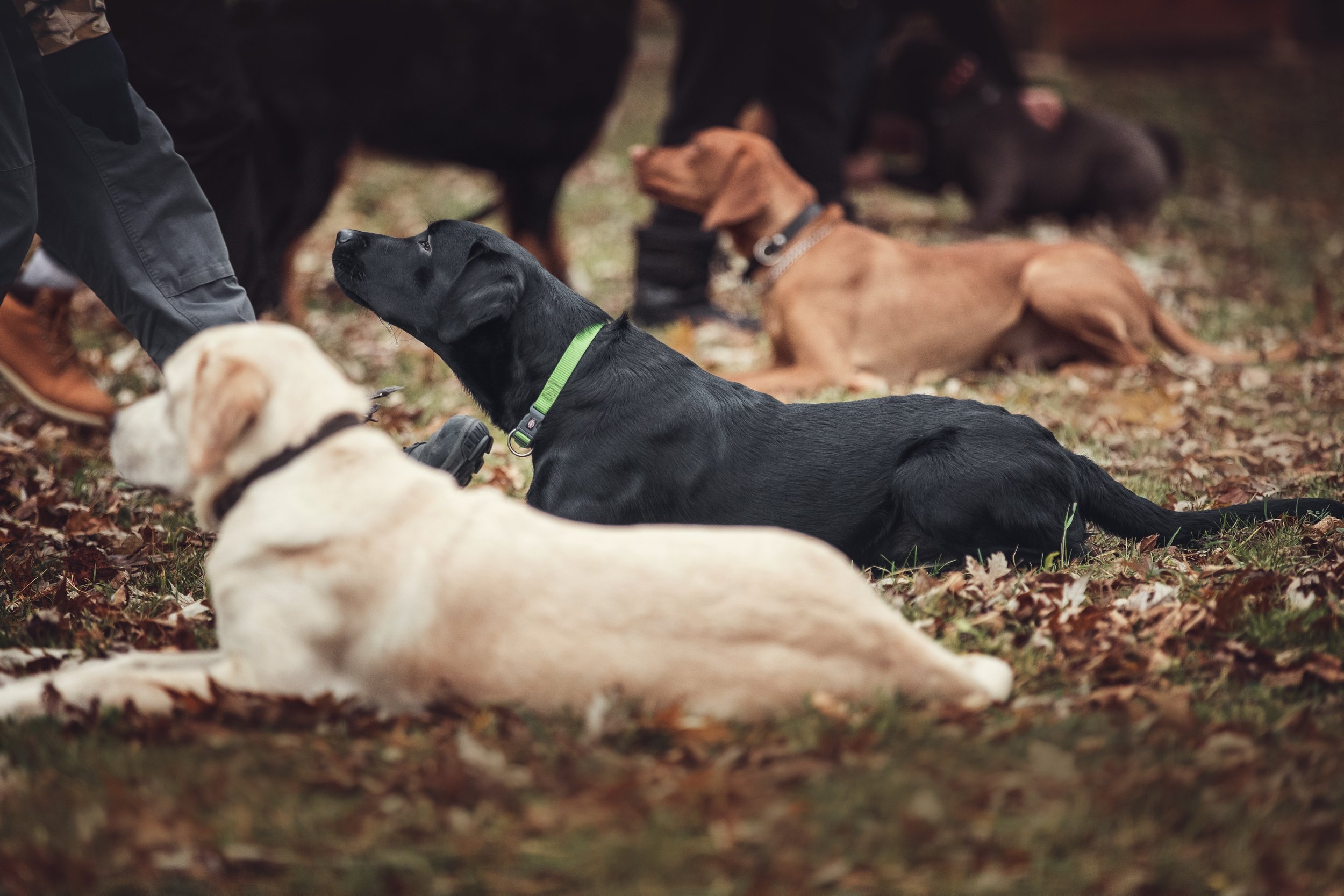
Dog Trainers & Behaviourists
Aside from your primary veterinarian, one of the most important professionals you'll work with is your dog trainer. We talk with our prospective puppy families at length about their goals for their puppy-then adult-dog. While one owner's primary goal is to raise a well-adjusted, confident, and optimistic family companion, another owner's set of goals may involve a well-adjusted family companion who will compete in performance events and be hunted over. Someone else may be looking for a specialized scent detection prospect or service dog. All of these goals are unique to each owner but the one thing they have in common--these goals will be met by engaging with one or more well-qualified dog trainers.
Role and Responsibilities
Trainers and behaviourists guide you in teaching your puppy/dog to learn basic manners, socialization skills, more advanced obedience or specialized tasks and if you and your dog are interested, there are trainers who can prepare you and your dog to compete in dog sporting events. While trainers focus on teaching their dog-human student teams to learn to bring out desired dog behaviours in everyday life, board-certified behaviourists (often with veterinary or PhD backgrounds) consult on complex behaviour issues—aggression, anxiety, compulsive disorders and more.
When to Involve Them
Puppy Classes (usually 8–16 weeks): Early classes are critical in teaching you and your puppy to work in a distracting but controlled environment, especially if you have an experienced, good instructor who understands the science behind canine learning and training.
Basic Obedience, Dog Sport Foundation Training, Trick Training etc. (4–6 months): This level of training may be a combination of group classes and private sessions.
Behavioural Challenges: Involve a certified behaviourist as soon as inappropriate behaviours emerge. These types of behaviours may include resource guarding, separation anxiety, dog and/or human aggression and more.
Choosing a Dog Trainer
Years of Experience: Ask how long they have been professionally training dogs and people, and in what settings. Experience can provide valuable perspective, but remember that quality of experience matters more than sheer number of years.
Professional Development: Dog training is a constantly evolving field, with best practices shaped by scientific research on learning and behaviour. A responsible trainer should engage in ongoing education—through courses, seminars, conferences, or professional organizations—and be able to share how they stay current.
Training Approach: Find out what methodology they use and why. Evidence-based trainers rely on positive reinforcement and humane, science-backed methods. Make sure you’re comfortable with their philosophy not only in training dogs, but also in teaching people how to communicate and build relationships with their pets.
References: A reputable trainer should be willing to provide references from past or current clients. Speaking with others can give you a sense of what it’s like to work with them.
Certification: Professional designations such as Certified Professional Dog Trainer – Knowledge Assessed (CPDT-KA) or Certified Professional Dog Trainer – Knowledge and Skills Assessed (CPDT-KS) from the Certification Council for Professional Dog Trainers (CCPDT) can provide assurance of education and competence. That said, there are also excellent trainers without these specific designations who have extensive knowledge, education, and practical experience. Certification can be one factor to weigh, but it shouldn’t be the only one.
Red Flags: Be cautious if you notice any of the following on a trainer’s website or in conversation:
Promises of instant fixes or guarantees of specific results.
Heavy reliance on aversive tools or outdated dominance-based language like “alpha” and “pack leader.”
Lack of transparency about methods—if they avoid explaining how they train, that’s a concern.
Dismissal of science-based approaches, or claims that positive reinforcement “doesn’t work.”
No mention of continuing education or professional development.
Use of outdated or fear-based techniques framed as “traditional” or “old school.”
An unwillingness to provide client references or allow observation of a class/session.
Choosing a Behaviourist
Anyone can call themself an Animal Behaviourist so its important to work with one who is experienced and educated. Patricia McConnell, PhD's take on this:
“Anyone who wants to work with serious behavioural problems in companion animals needs three things:
1) Practical, hands-on experience working with the species in question and a skill set that enables one to influence their behaviour effectively and humanely
2) An understanding of the species’ ethology, or behaviour, in their natural environment
3) An understanding of the science behind influencing behaviour, including operant and classical conditioning." (Hecht, 2021)
Professional designations you may want to enquire about include Associate Certified Applied Animal Behaviourist (ACAAB) or Diplomate, American College of Veterinary Behaviourists (DACVB) for behaviourists.
Dog Walkers & Daycares
For dog owners who don't work from home full or part time, hiring a professional to give your dog the required care while you're at work will contribute to their overall health and wellbeing. As with other canine professionals, thoroughly vetting a dog walker or daycare to ensure you can trust them with the care of your puppy or dog is critical for a positive outcome.
Role and Responsibilities/When to Involve Them
Both a dog walker and daycare can help reduce boredom-induced behaviours that can be destructive and unsafe and help highly social or energetic breeds by giving them physical, social, and mental outlets while their owners are working outside of the home.
A dogwalker can help maintain your dog's exercise routine, provide mental stimulation and practically, potty breaks if you don't work from home.
A good daycare can offer structured play, socialization, and enrichment activities in supervised group settings.
Choosing a Walker or Daycare
Questions you may want to ask when vetting the above services:
What is the ratio of dogs to care-giver(s)?
What experience level does the professional(s) posses?
Ask for client references and contact them.
Are they current on pet first-aid certification?
Do they have liability insurance and are they bonded?
Are the indoor/outdoor play areas in the daycare safe and secure?
Is the time with the walker or daycare professionals structured or is it more of a "free for all" situation? Structured, supervised activity with experienced care givers is critical for the safety of both dogs and humans.
Have they had any serious incidents and if so, how did they handle those situations?
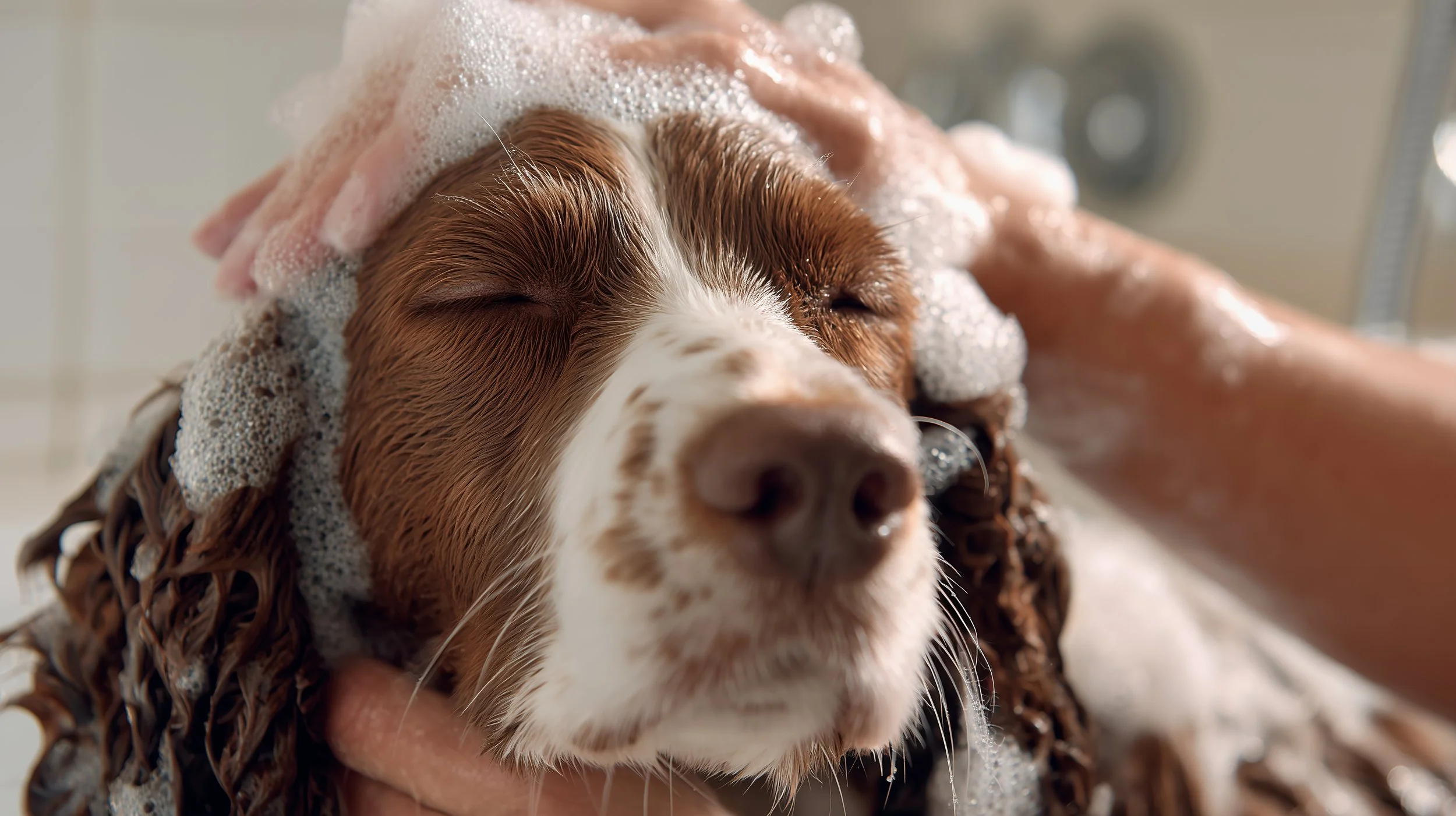
Professional Groomers
Not every breed requires a professional groomer, but any dog owner who doesn't want to take on the task of grooming can seek the services of a pro.
Role and Responsibilities
Groomers keep your dog’s coat healthy and manageable, prevent matting, skin infections, and discomfort. Services range from baths and haircuts to nail trims, ear cleaning, gland expression, and more.
When to Involve Them
High-Maintenance Coats: Breeds like Spaniels, Poodles, and Shih-Tzus, for example, typically require grooming every 4–8 weeks and more frequently for dogs being shown in conformation or some other sports.
Seasonal Shedding: Double-coated breeds benefit from “deshed” treatments in spring and fall.
Senior Dogs: Regular nail trims and ear care to prevent mobility issues and infections.
Choosing a Groomer
We know many groomers, some certified and some not. Experience and depth of expertise is important, so vet your prospective groomer thoroughly.
You may wish your groomer to have certifications from organizations such as the National Dog Groomers Association of America (NDGAA) or International Professional Groomers Inc. (IPG)
Look for facility cleanliness, proper ventilation, and emergency protocols.
A groomer should have current certification in emergency pet first aid.
It's always good to look at reviews-are they positive?
Enquire about the groomer's approach to handling the dogs in their care. Does the approach create a calming environment and experience for the dogs they groom? How do they handle nervous, anxious dogs? Does the groomer subscribe to cooperative care methods? Decide what's important to you and ask relevant questions when deciding which groomer to hire.
Boarding Facilities & Pet Hotels
We all go away from time to time and need somewhere our dogs can stay and have a good experience while on their own special vacation. It's worth looking into boarding facilities before you actually need one to take the stress out of having to make a last minute decision.
Role and Responsibilities
Boarding facilities provide overnight care when you travel, ranging from in-home stays to kennel runs to luxury “pet hotels” with private suites and webcam access. Many also offer training refreshers, grooming, group or individual walks and other add-ons during stays.
When to Involve Them
Planned Vacations: Book well in advance, especially around holidays.
Last-Minute Trips: Keep backup options in place, such as pet-friendly friend/family contacts.
Rehabilitative Stays: Some facilities accommodate post-surgical recuperation with specialized care.
Choosing a Boarding Facility
Access to veterinary care is a necessary emergency preparedness protocol for boarding facilities. Whether it's on-site veterinary connections or off-site veterinary clinic agreements, a protocol should be in place. Additionally, if off-site care is the boarding facility's veterinary care protocol, emergency transport arrangements/agreements/protocols should also be in place.
What are the facility's daily activity schedules and socialization policies? If group interactions are routine, how are they managed? What is the human to dog ratio and what is the level of expertise of each human supervisor?
Is the facility clean? What is the disinfection protocol? How often is the facility cleaned and what are the cleaning agents used on surfaces, particularly those surfaces that a dog comes in contact with?
Are staff current on their pet first aid certifications?
Are staff trained to identify signs of stress, dehydration, illness and other symptoms of a dog's discomfort? What are the observation protocols for this?
Bringing It All Together
Raising a well-adjusted, healthy dog requires more than love and treats, it demands a collaborative team of skilled professionals. Start by establishing a relationship with a trusted veterinarian as your medical anchor. Enroll in positive, science-based training early, and don’t hesitate to seek out a behaviourist if more complex issues arise. Keep daily life balanced with the help of reliable dog walkers or a daycare, and maintain your dog’s comfort and appearance through regular grooming and, when needed, overnight boarding. Finally, enlist specialists such as nutritionists, rehabilitation therapists, and chiropractors to fine-tune diet and mobility, prolonging both quality and longevity of life.
Remember, each dog is unique: breed traits, age, health status, and temperament all inform which services and specialists you’ll need most. By proactively building your canine dream team, you’ll ensure your dog enjoys the best possible care at every stage of life while freeing you to focus on the simple joy of canine companionship.
References
American Animal Hospital Association (AAHA) https://www.aaha.org/accreditation
Canadian Veterinary Medical Association (CVMA) https://www.canadianveterinarians.net/
Certification Council for Professional Dog Trainers (CCPDT) https://www.ccpdt.org/
American Veterinary Society of Animal Behavior (AVSAB) https://avsab.org/
Pet Sitters International (PSI) https://www.petsit.com/
International Boarding & Pet Services Association (IBPSA) https://www.ibpsa.com/
National Dog Groomers Association of America (NDGAA) https://www.ndgaa.com/
American College of Veterinary Nutrition (ACVN) https://www.acvn.org/
Canine Rehabilitation Institute https://www.caninerehabinstitute.com/
American Veterinary Chiropractic Association (AVCA) https://www.avca.org/