
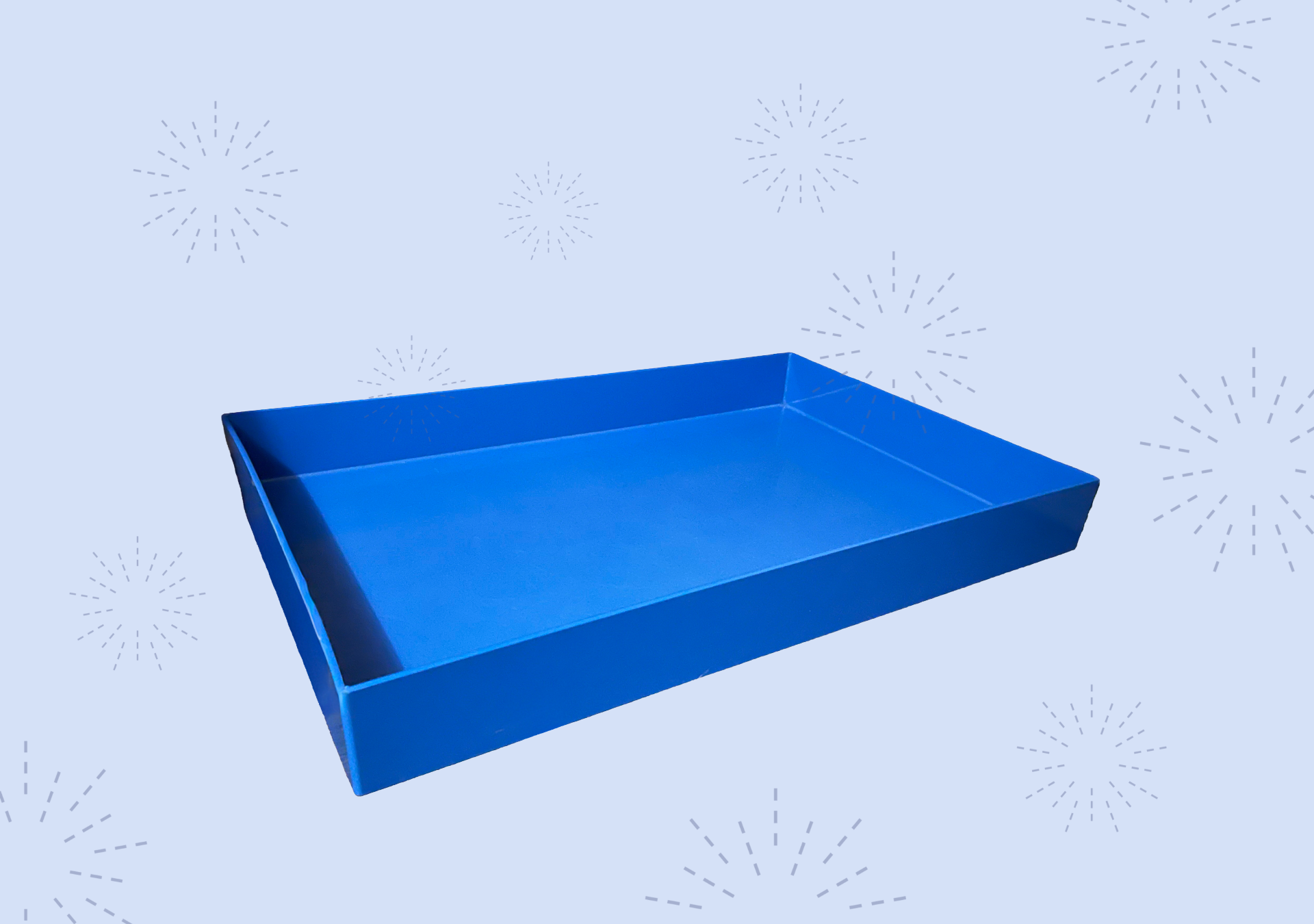
The Puppy Potty Box
A practical system for introducing early potty habits during the first weeks of life
At Stannyfield, we introduce puppies to a clearly defined potty area during the earliest weeks of life. This simple approach encourages clean elimination habits and helps puppies begin separating sleeping, play, and potty spaces long before they leave for their new homes.
Developed and refined over nearly two years, using prototypes to raise numerous Stannyfield litters.
Young puppies naturally prefer to keep their sleeping area clean when given the opportunity. By introducing a designated potty area early, breeders can encourage this instinct and help puppies begin forming consistent elimination habits.
This early exposure benefits both breeders and future owners. Puppies develop an understanding of where to eliminate, daily cleanup becomes easier, and the transition to house training in their new homes is often smoother.
This approach does not replace outdoor training later. Instead, it establishes a foundation that carries forward as puppies mature.

Why Introduce a Potty Area Early?
A Simple, Step-By-Step System
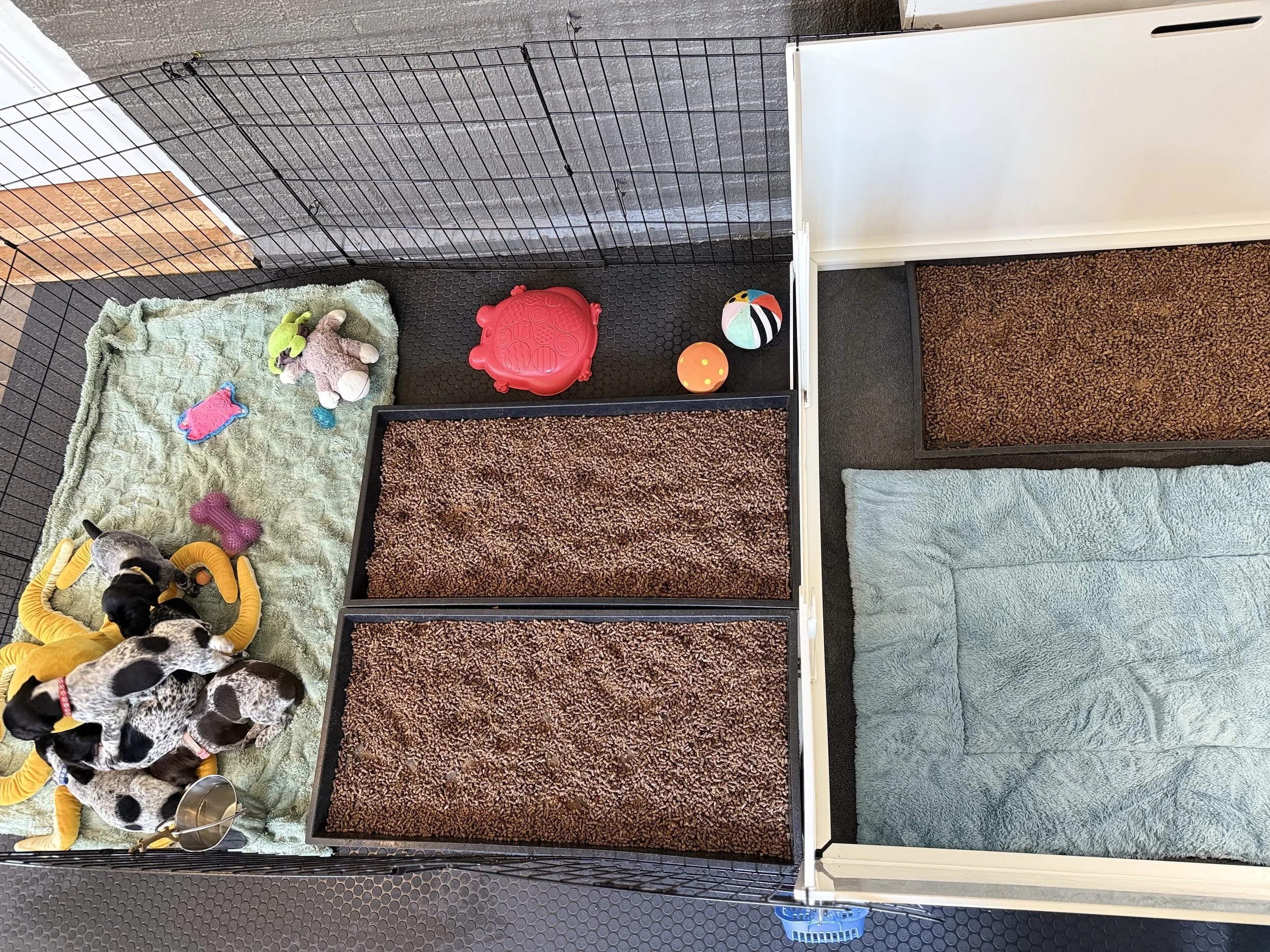
The Puppy Potty Box is part of a gradual training process that begins when puppies are about two and a half weeks old and evolves as they grow.
The process, based on Avidog protocols, unfolds in three stages.
Stage 1 - Introduce the Concept
When puppies begin moving around the whelping box, shallow starter trays are used to introduce the idea of a designated potty space. These low-sided trays allow very young puppies to easily step in and out.
Stage 2 - Expand the Living Space
As puppies become more mobile, their environment expands to include a larger pen area (see photo of whelping box plus expanded area. More starter trays are added, ensuring the potty area remains easy to find.
Stage 3 - Transition to the Puppy Potty Box
Once puppies are confidently using the potty area, the trays are replaced with the Puppy Potty Box, usually in a larger puppy pen. Its durable construction and stable footprint create a reliable, easy-to-clean potty zone as puppies grow and become more active.
Refined Through Real Breeding Experience
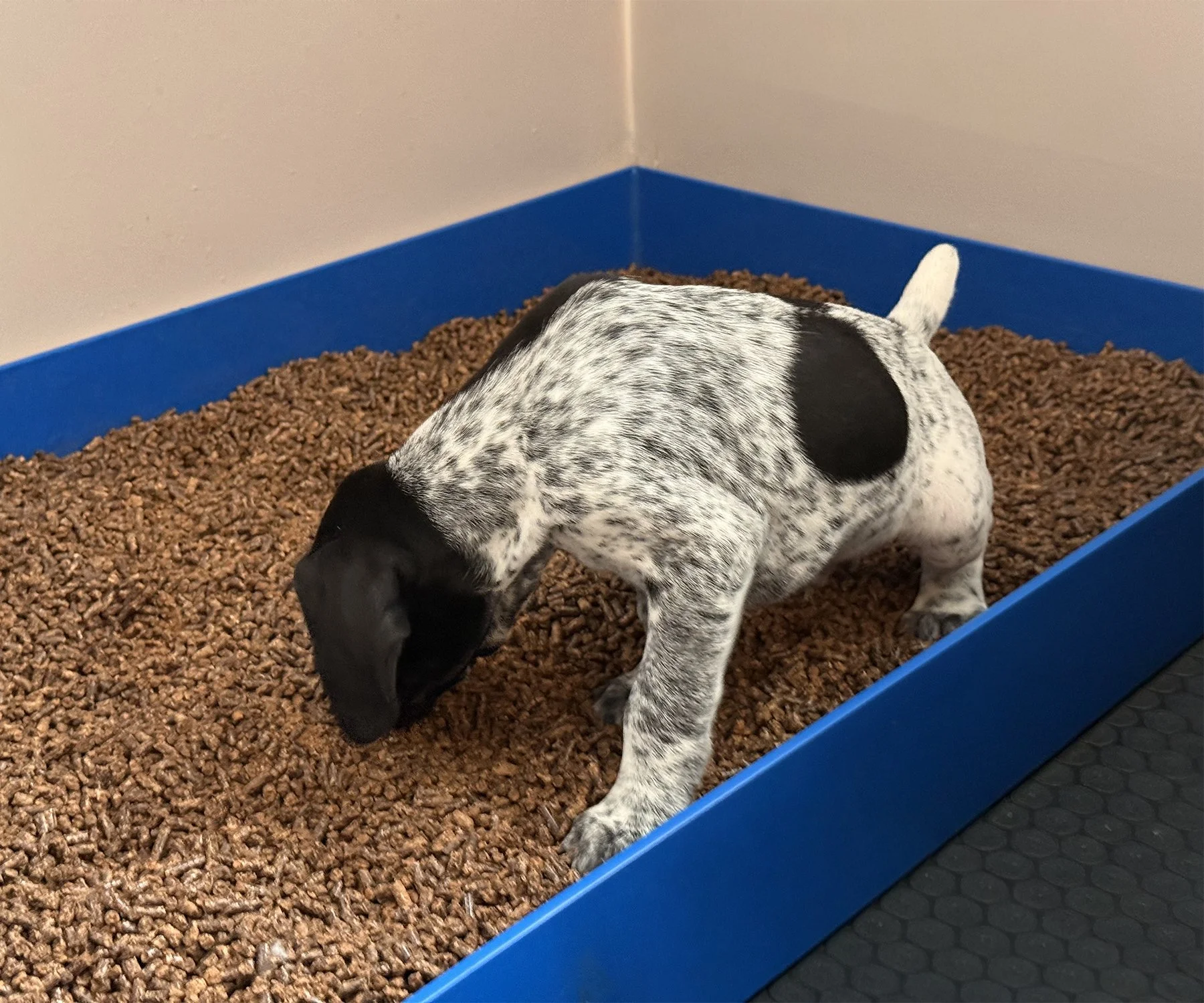
At first glance, the Puppy Potty Box looks simple. That simplicity is the result of many rounds of real-world testing and refinement.
Early prototypes included collapsible configurations, more complex cut-outs for handles, and other features we tested with our own litters. Over time we learned that small adjustments to side height, footprint, stability, and material made the biggest difference in how puppies used the space and how much more easily we could maintain it and the surrounding area.
That process unfolded over nearly two years and a number of litters before arriving at the design we use today.
The final Puppy Potty Box reflects those lessons. It is built with:
dimensions that work well within most setups, giving breeders the flexibility to use one or more Puppy Potty Boxes to configure the potty size area that works best for them
wall height that contains substrate while remaining accessible to growing puppies
durable HDPE construction that resists liquids and odors and stands up to repeated litter use
stable construction that will not tip or move during active puppy play and exploration
Most breeding programs accumulate a lot of equipment over time. Our goal with the Puppy Potty Box was the opposite. To create one durable tool that simplifies daily cleanup and supports early training across many litters.
Built to last through years of litters, not just a single season.
A durable, purpose-built potty box designed to support early litter training and simplify daily cleanup during the puppy rearing process.
Developed and used to raise Stannyfield litters.
The Puppy Potty Box
A Few Fun Extras
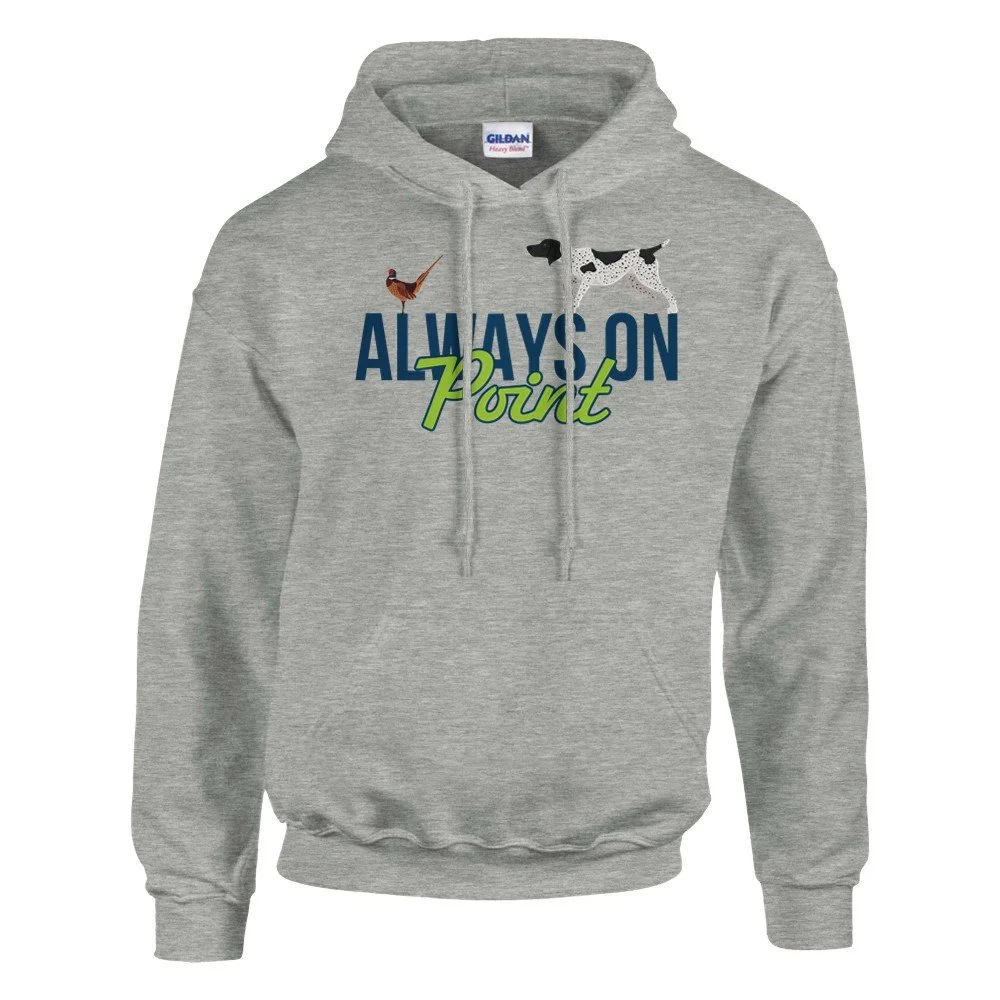
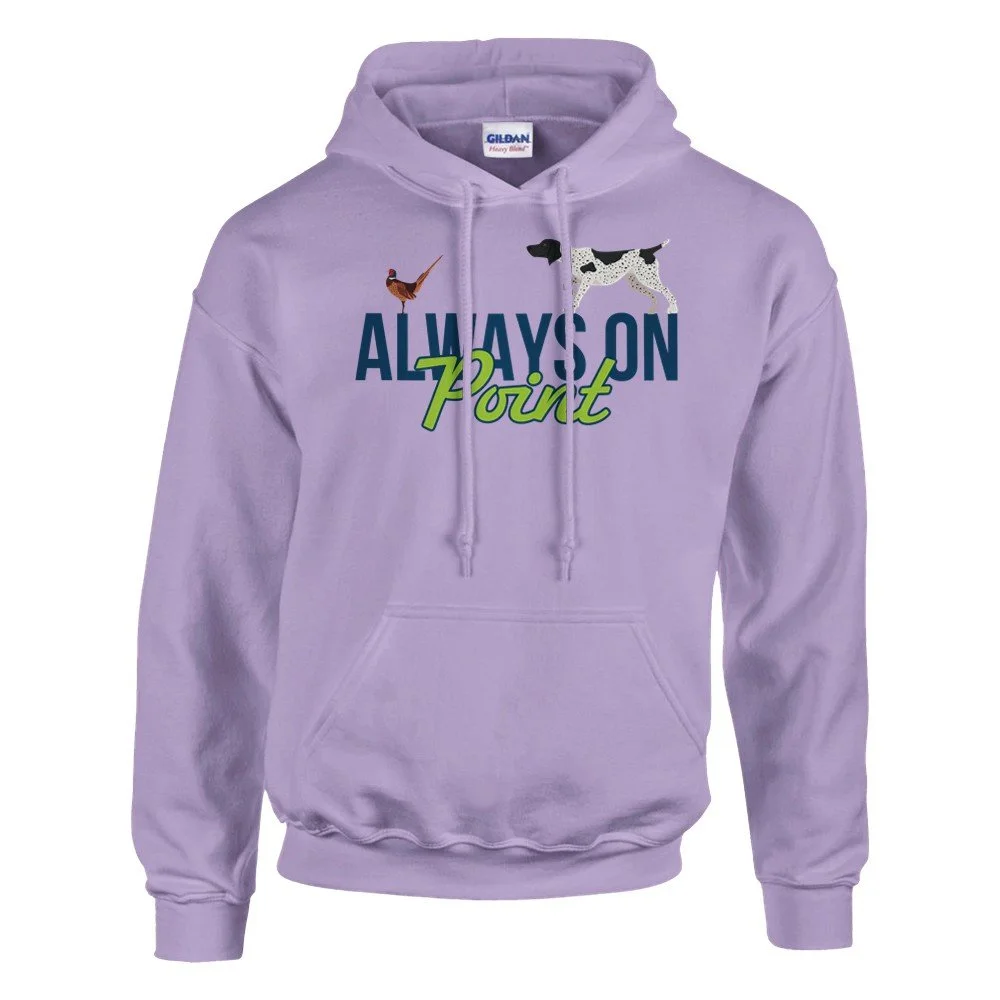
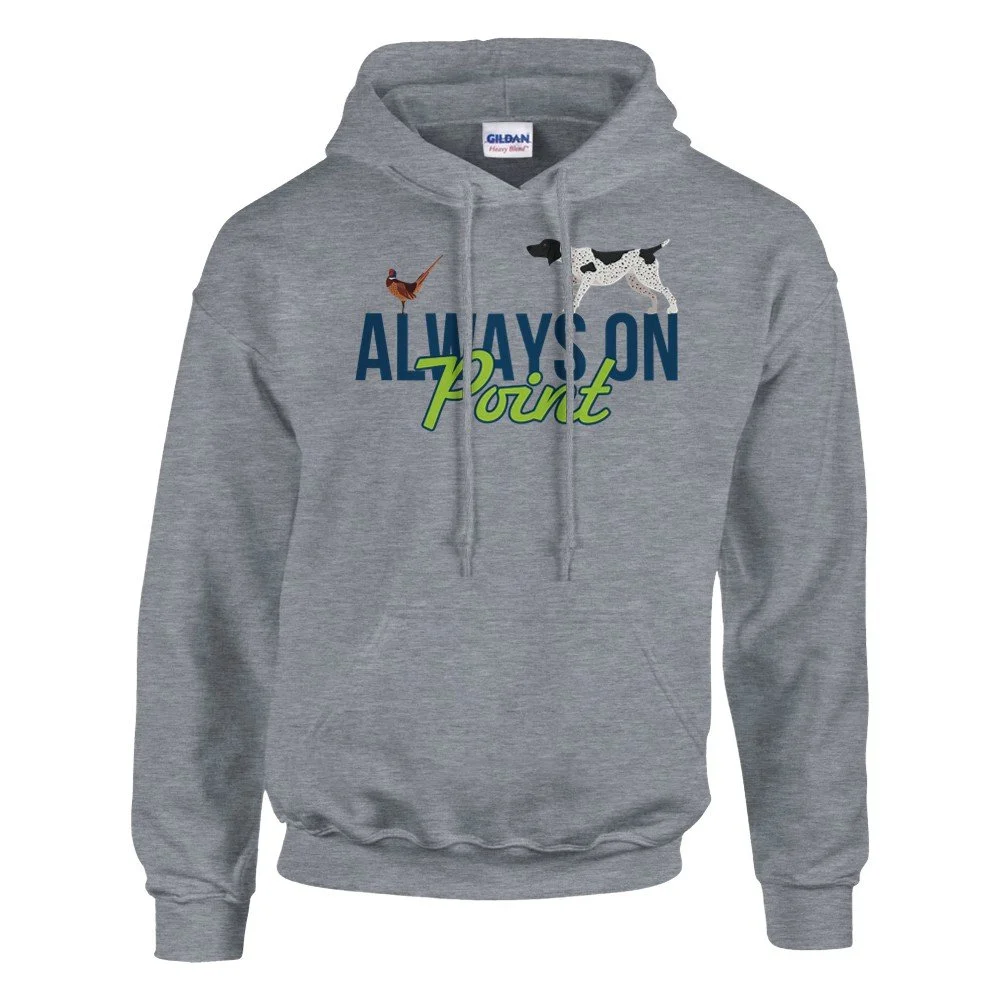
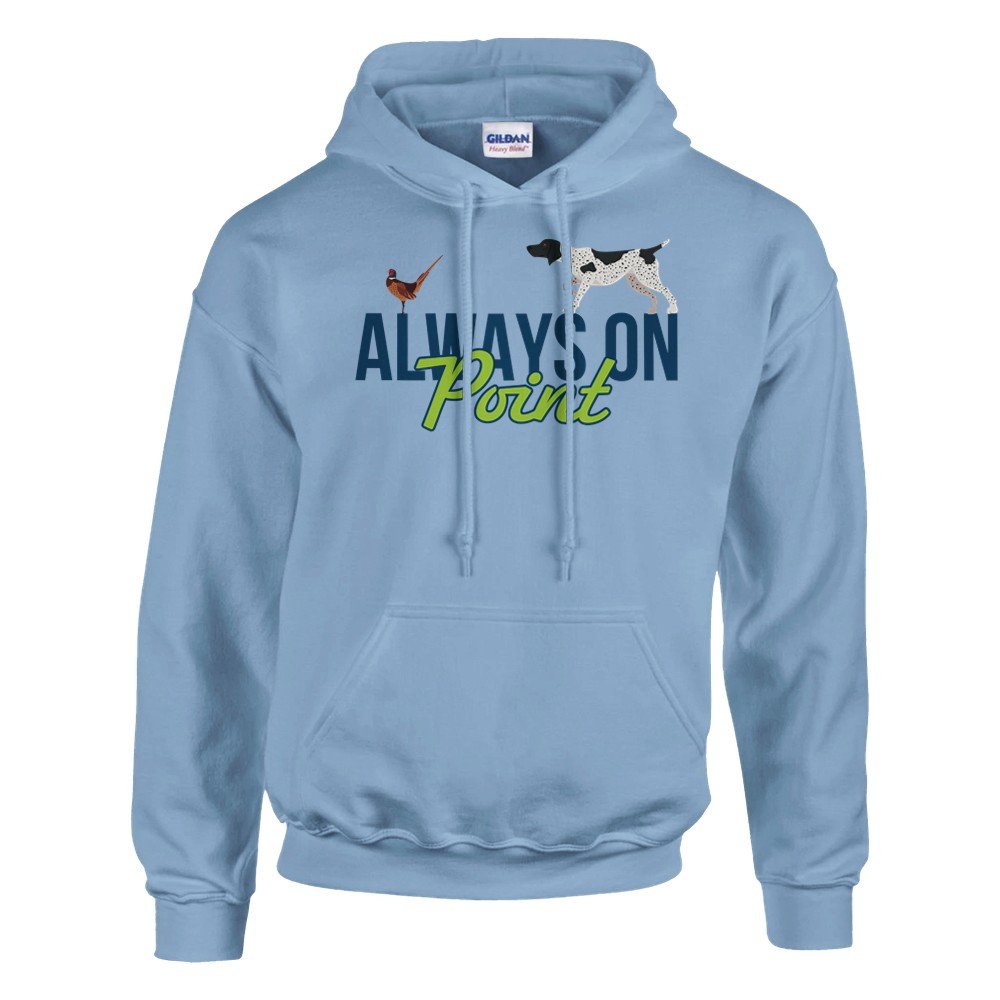
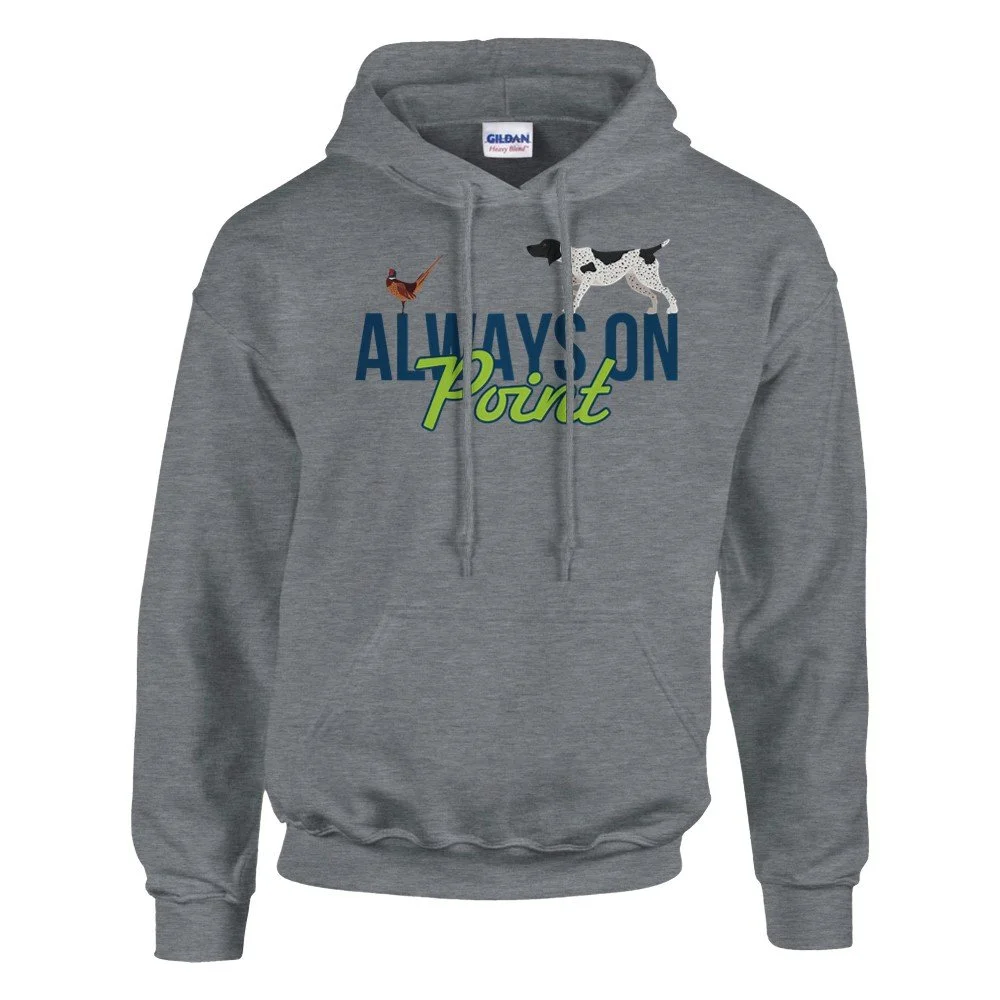
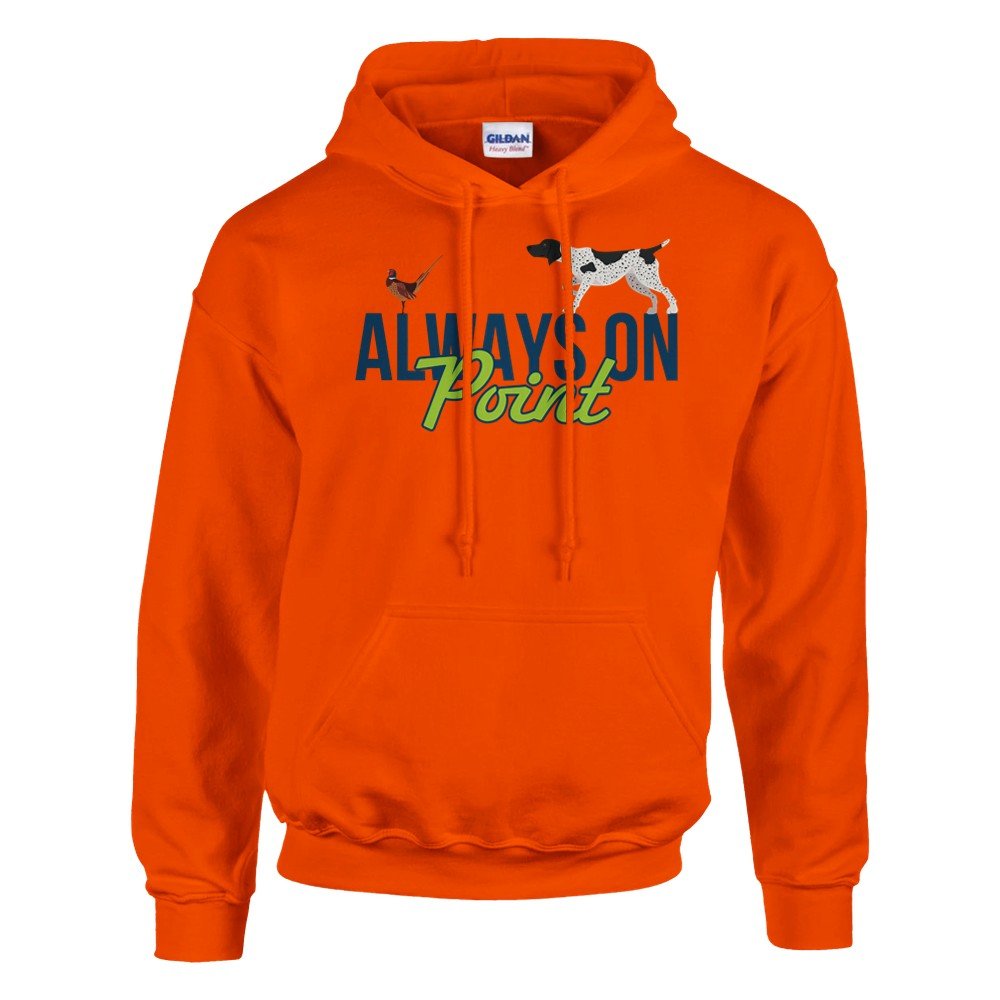
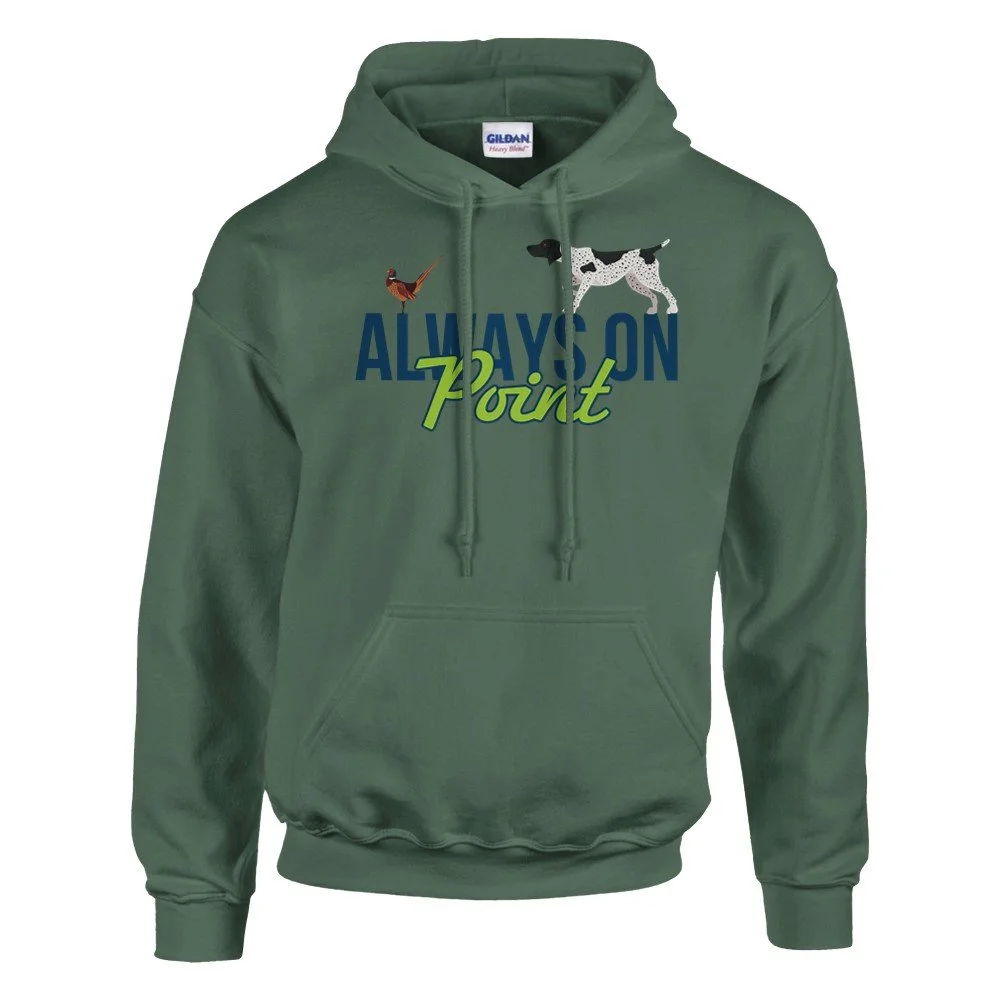
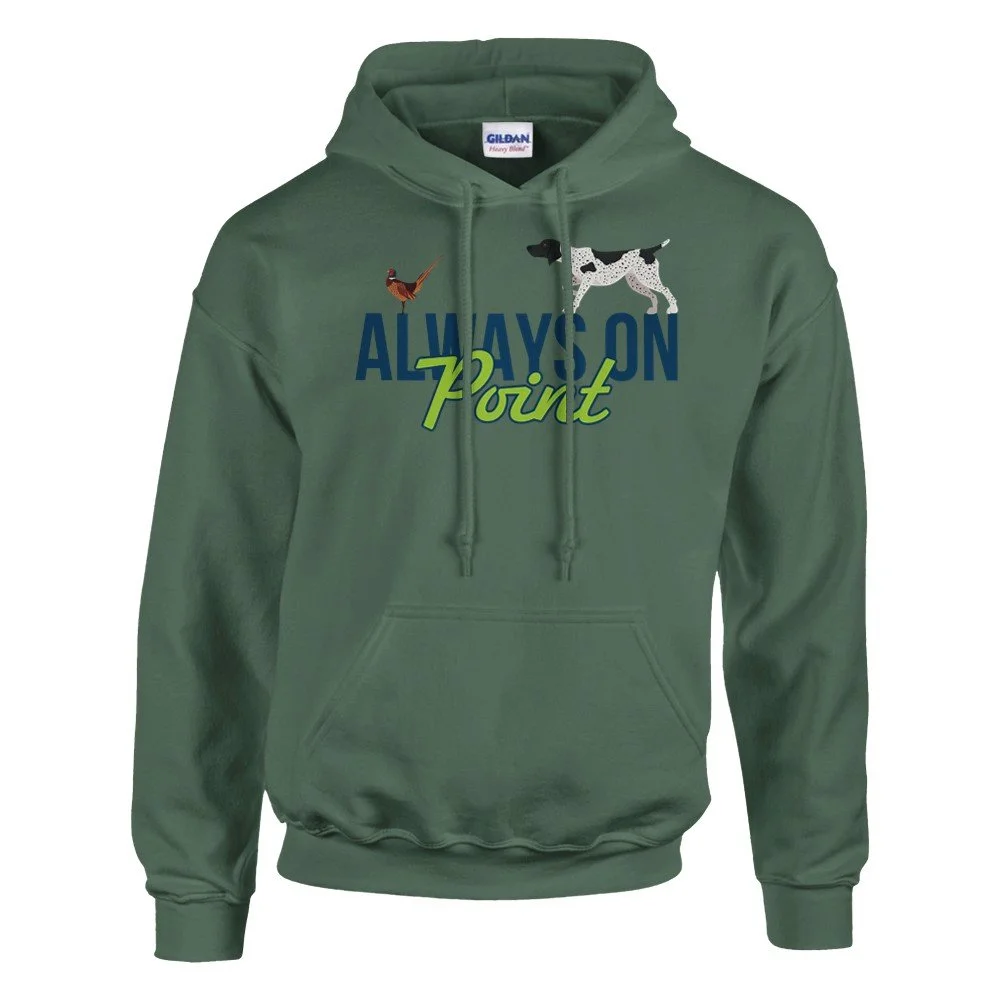
Instinct and focus never go out of style. Always On Point celebrates the confidence of a German Shorthaired Pointer on point. Warm, soft, and easy to wear, this hoodie is a dependable everyday layer for life with dogs, whether you’re outdoors, at home, or on the go.
Details: • Classic unisex fit • 50% cotton, 50% polyester • Soft fleece interior • Double-lined hood • Front pouch pocket
Part of our German Shorthaired Pointer Gifts & Apparel collection.
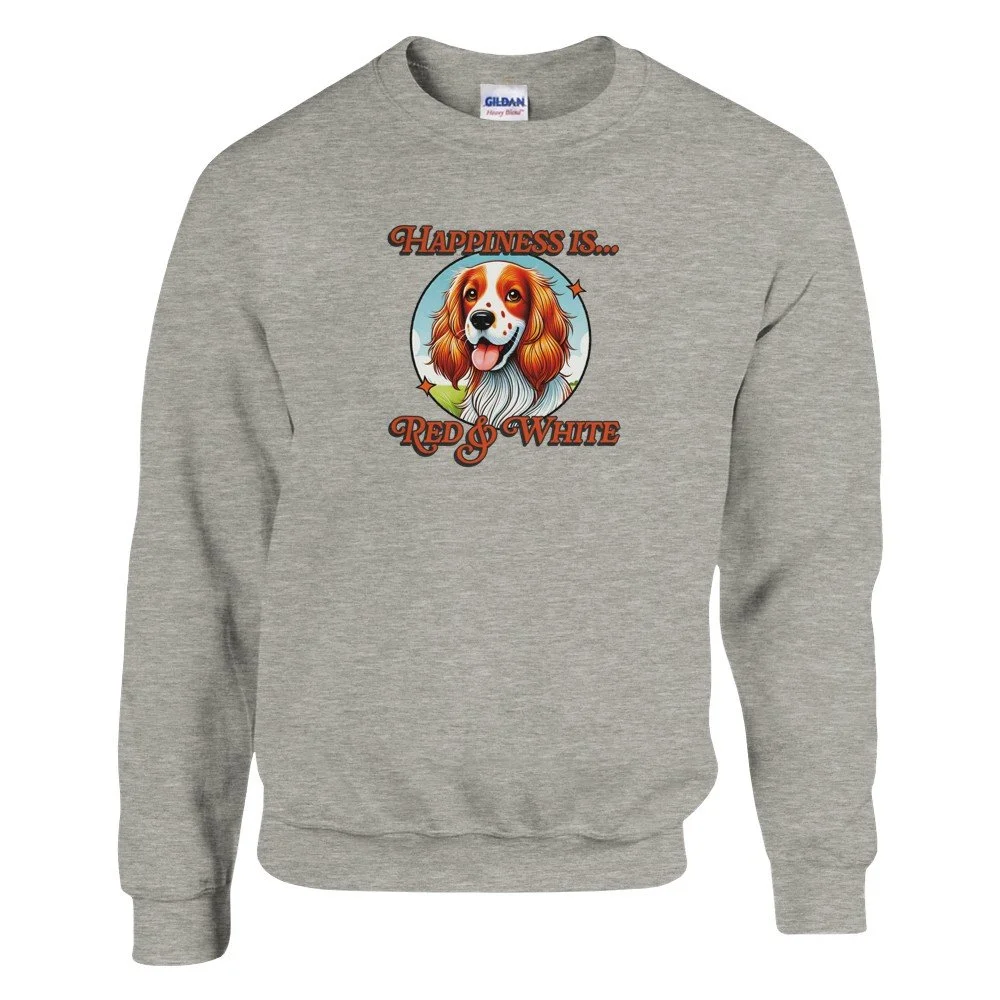
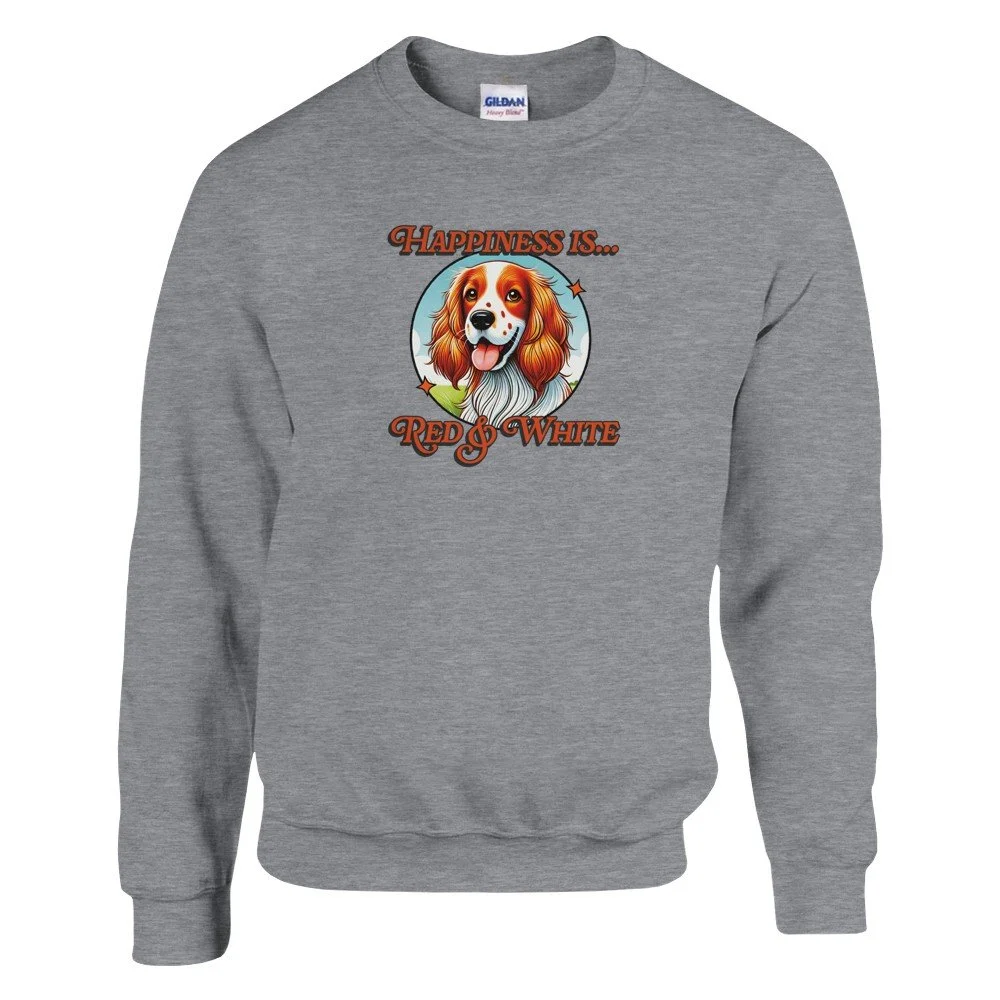
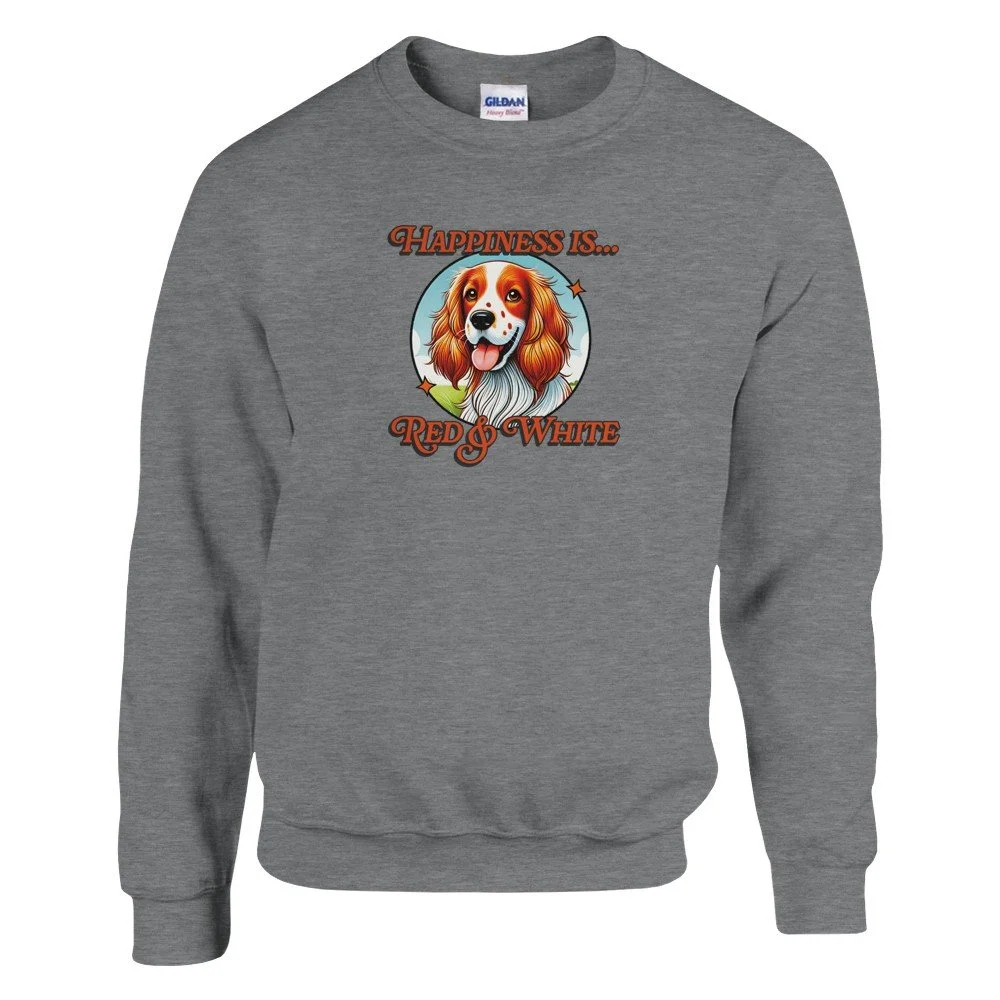
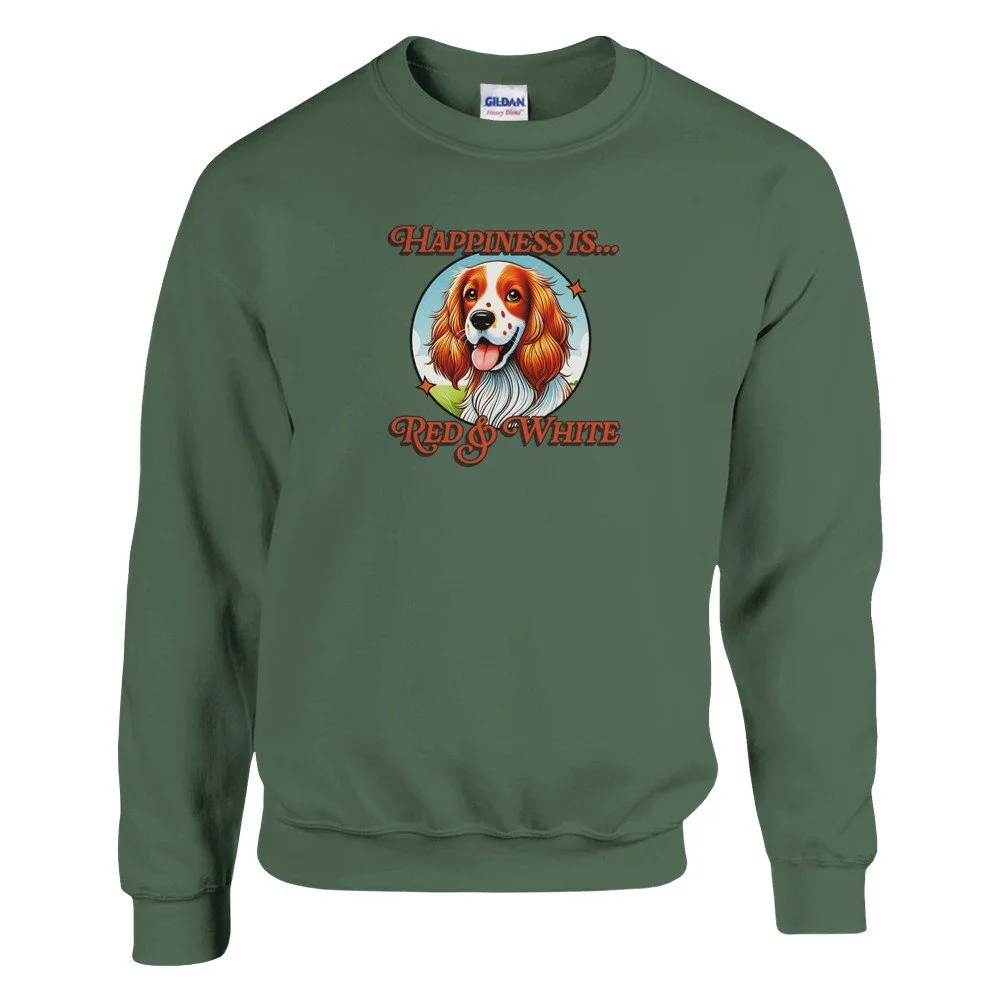
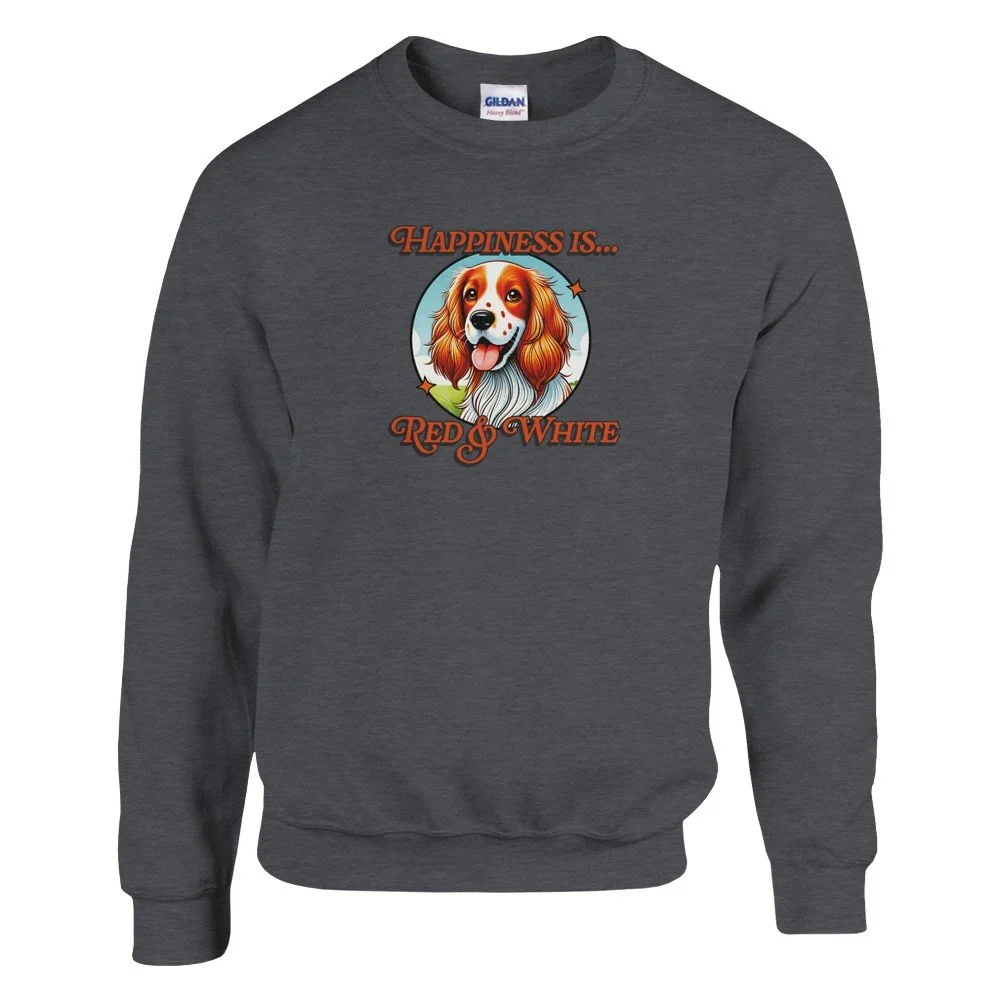
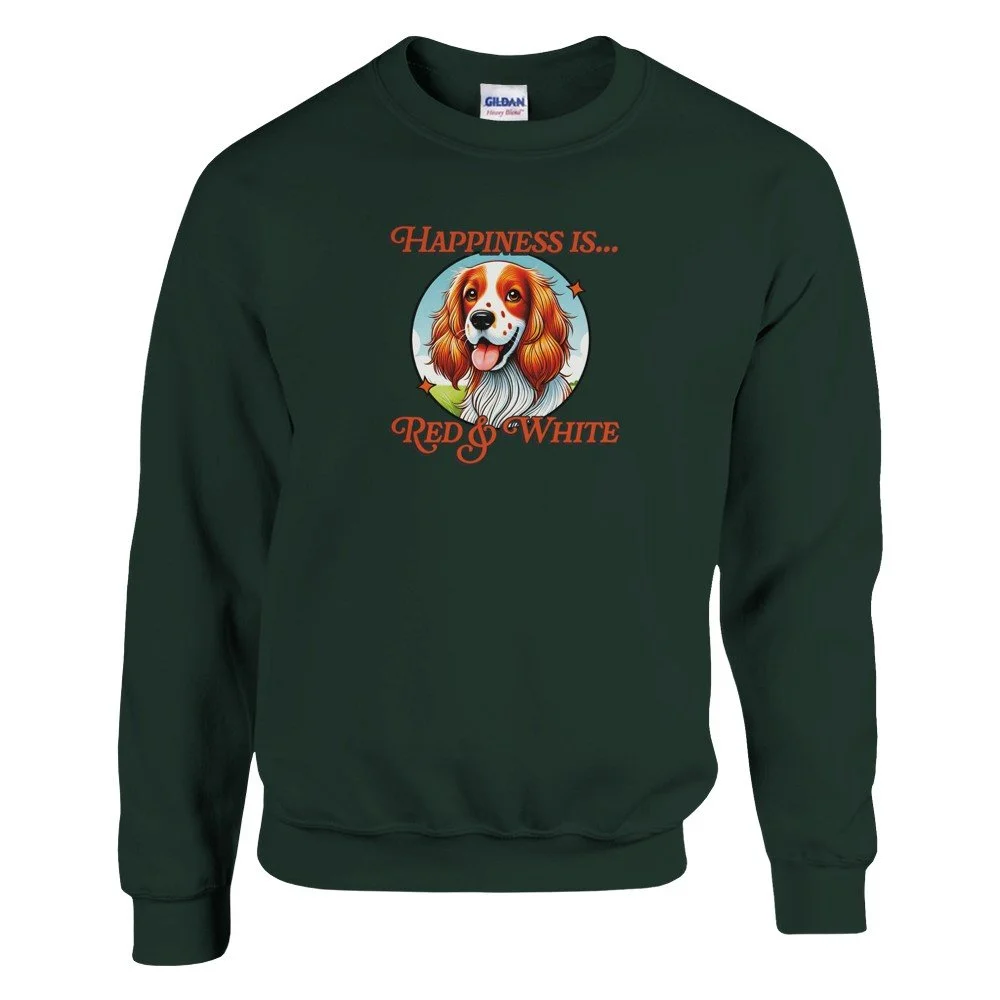
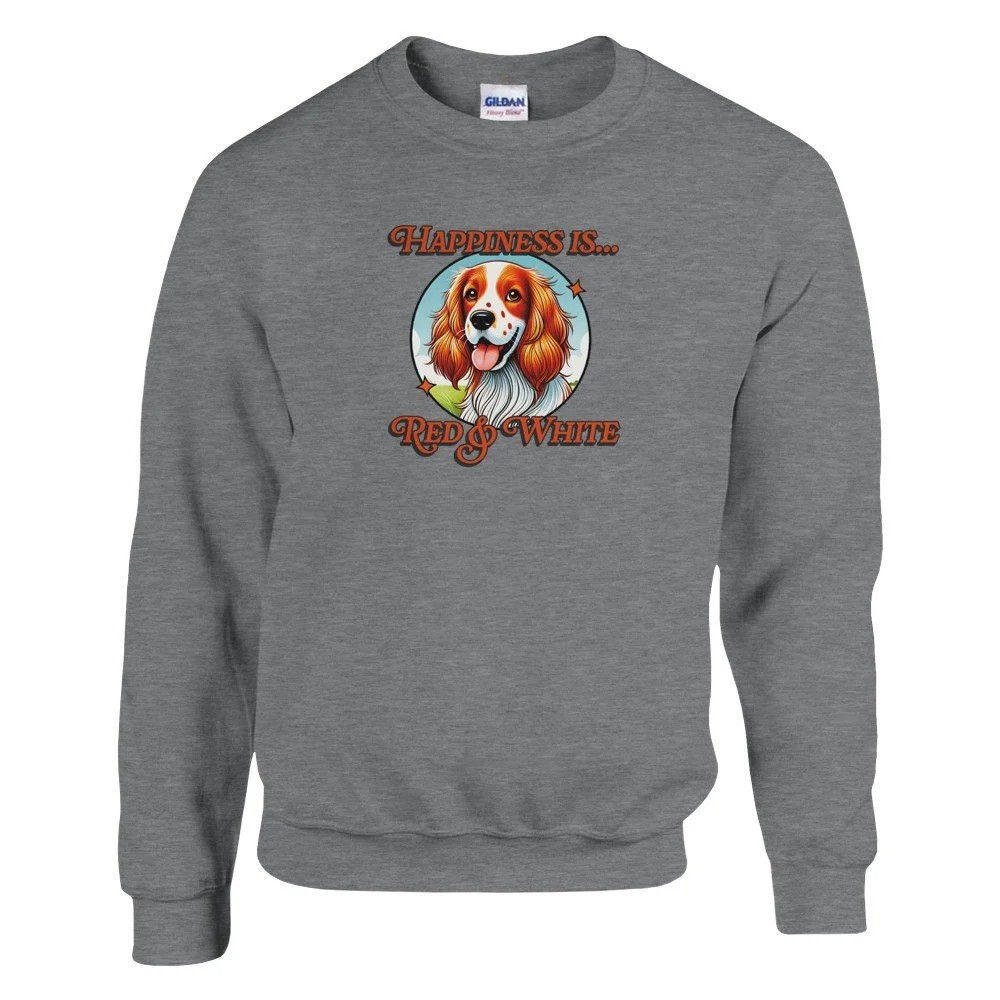
Happiness often looks like a familiar routine and a Welsh Springer Spaniel at your side. Soft and comfortable for everyday wear. Details: • Classic unisex fit • 50% cotton / 50% polyester • Soft fleece • Ribbed cuffs and waistband
Part of our Welsh Springer Spaniel Gifts & Apparel collection.
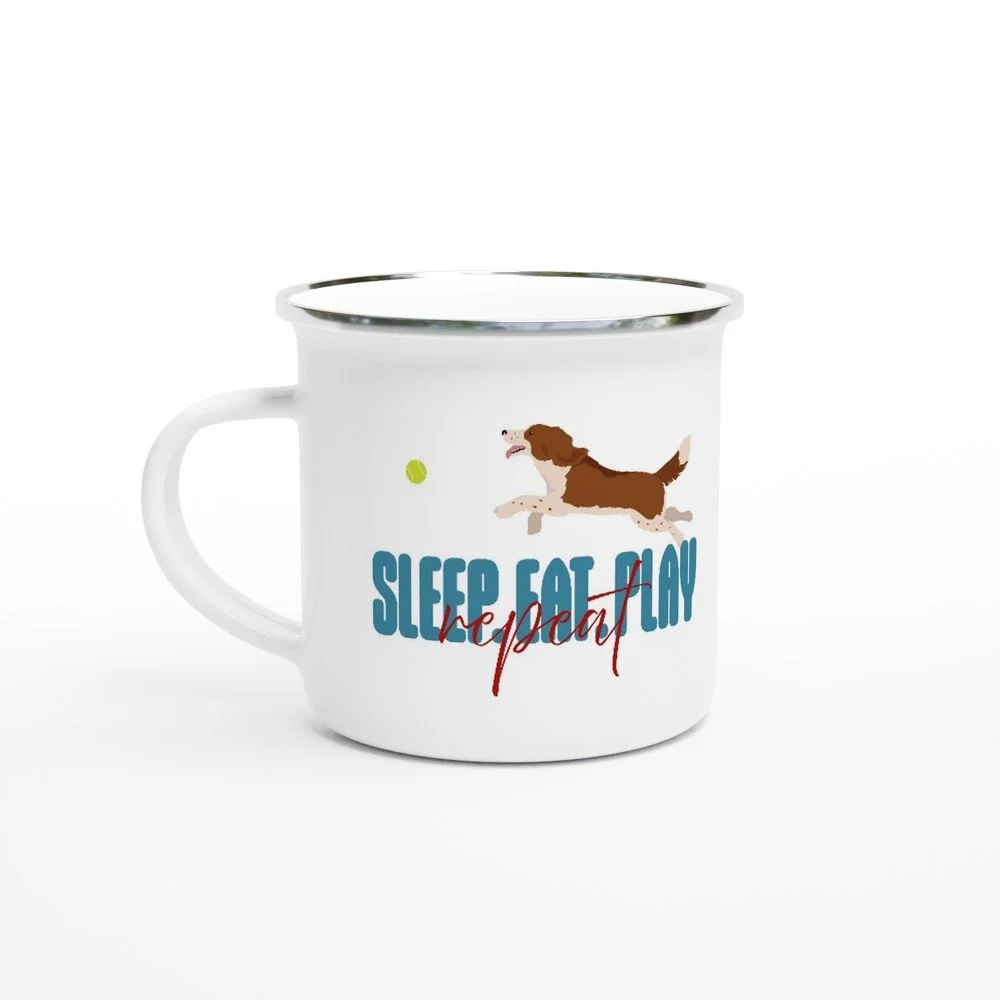
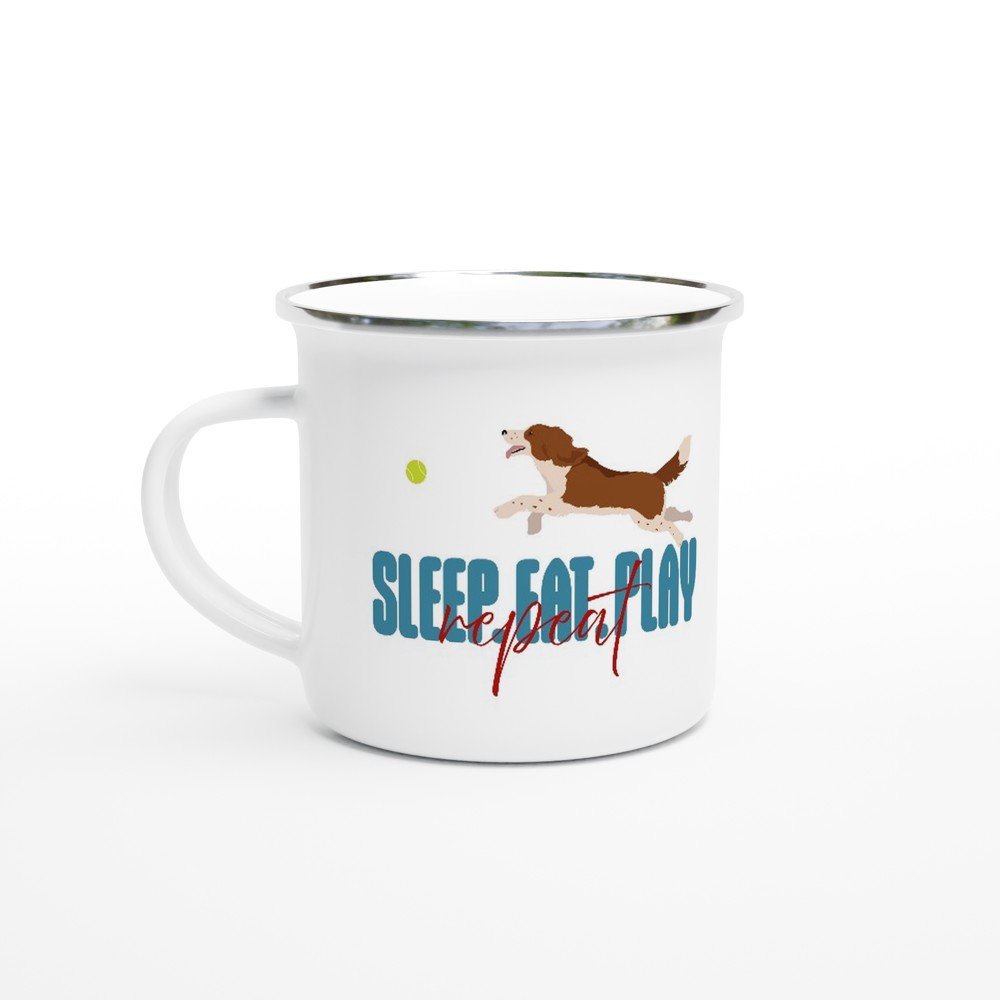
Life with a Welsh Springer Spaniel is refreshingly uncomplicated. Sleep. Eat. Play. celebrates that familiar rhythm. A lightweight mug that fits right in. Details: • 12 oz enamel mug • Lightweight and durable • Not dishwasher or microwave safe • White enamel with silver rim
Part of our Welsh Springer Spaniel Gifts & Apparel collection.
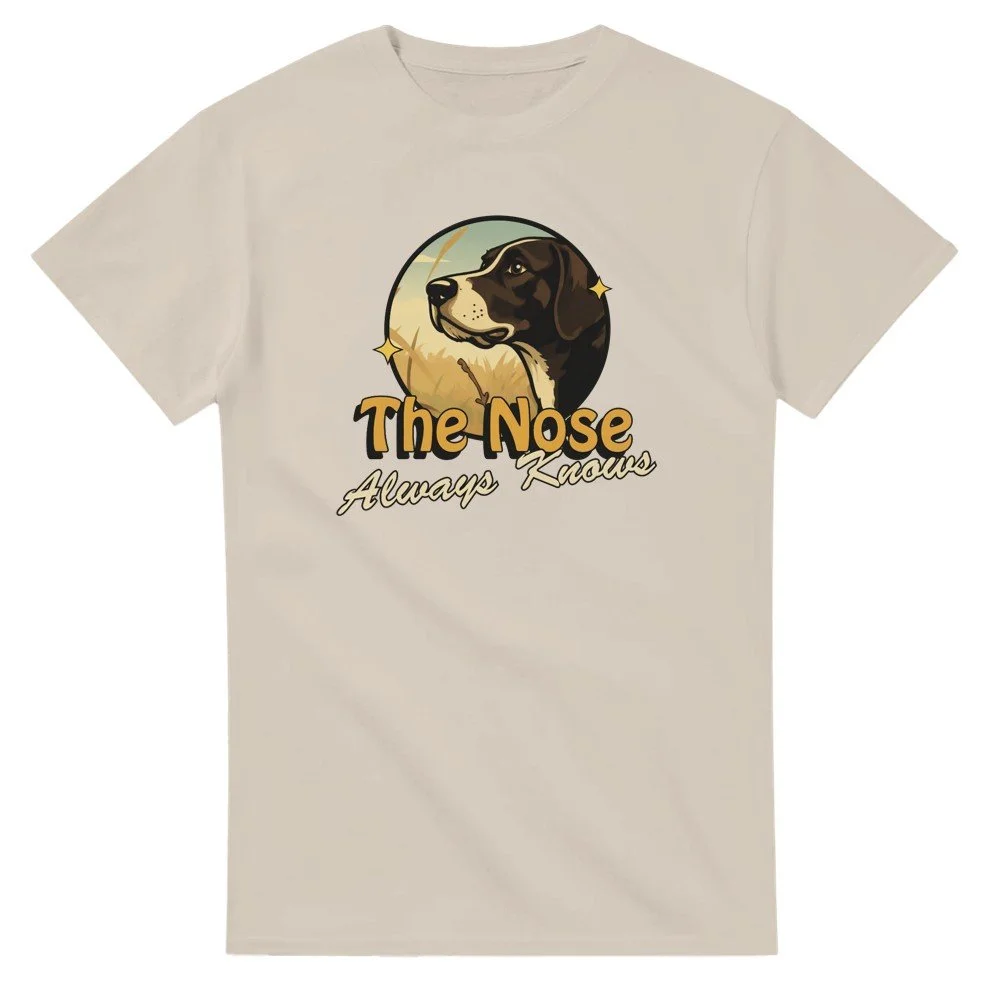
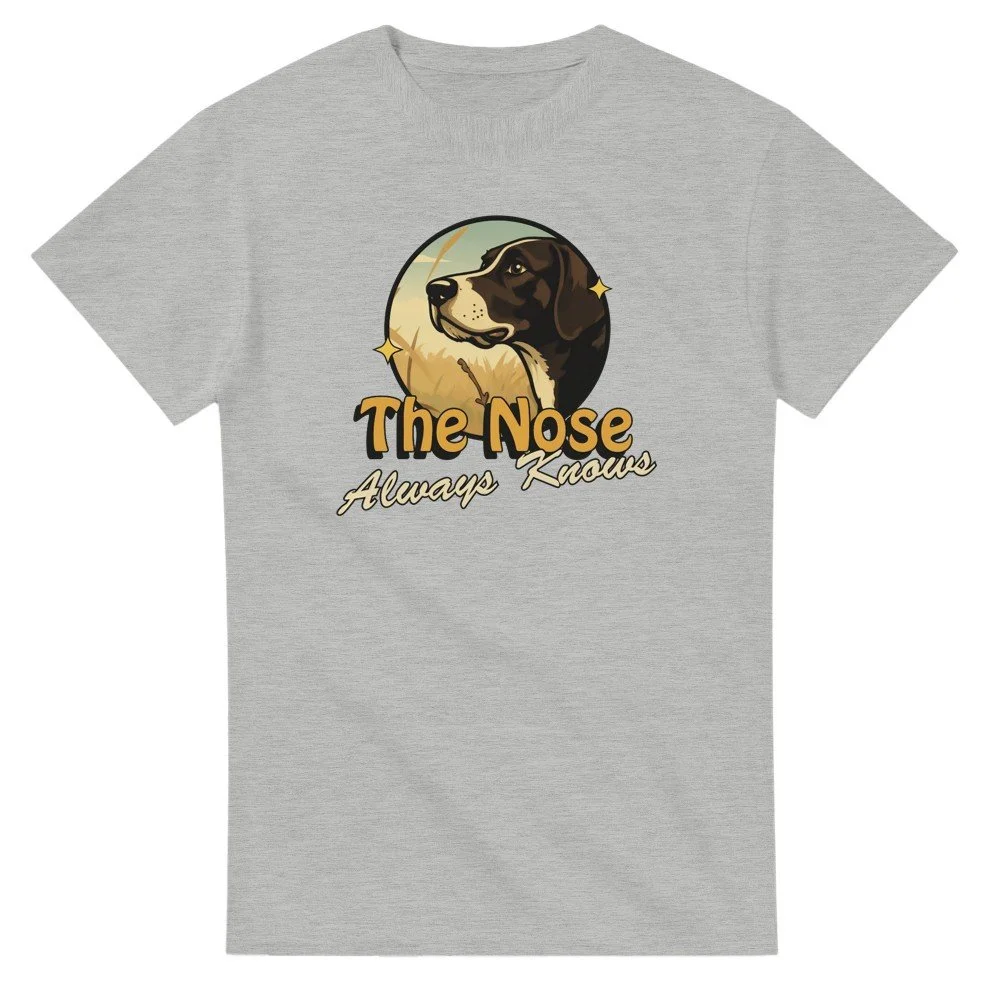
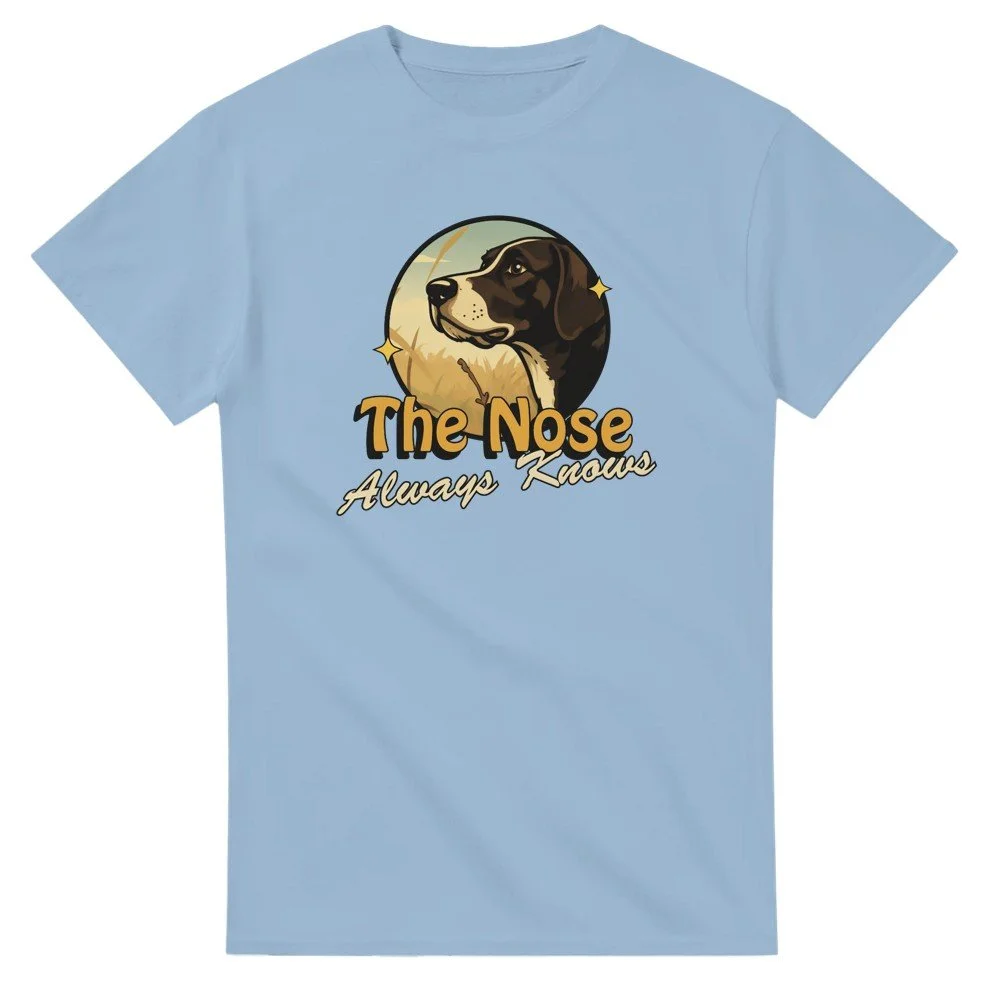
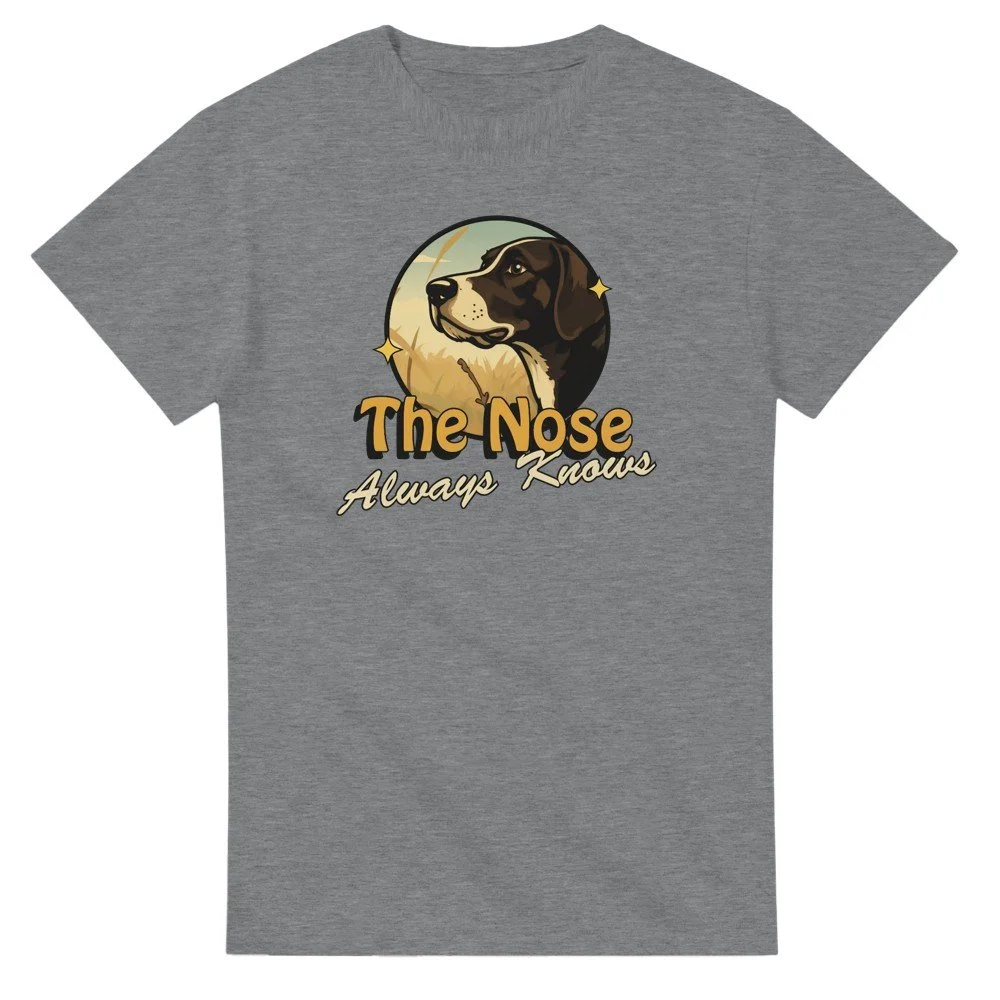
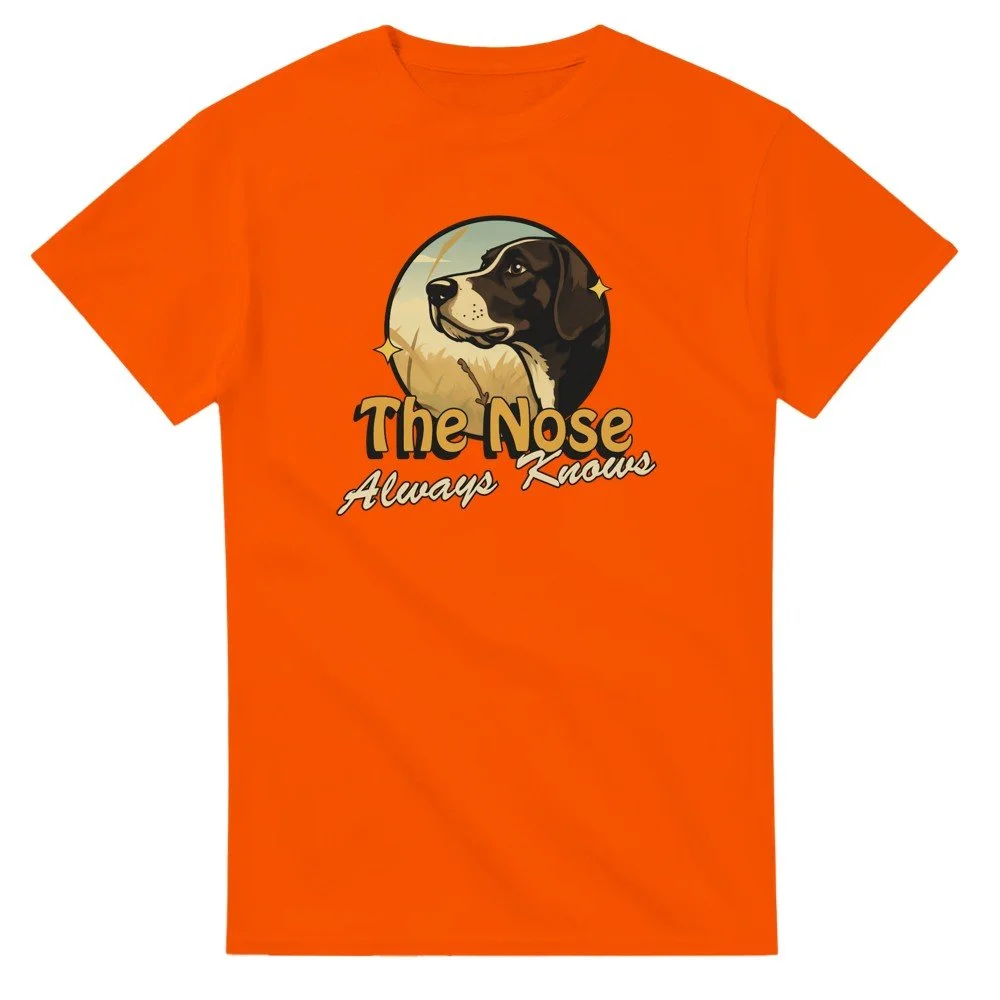
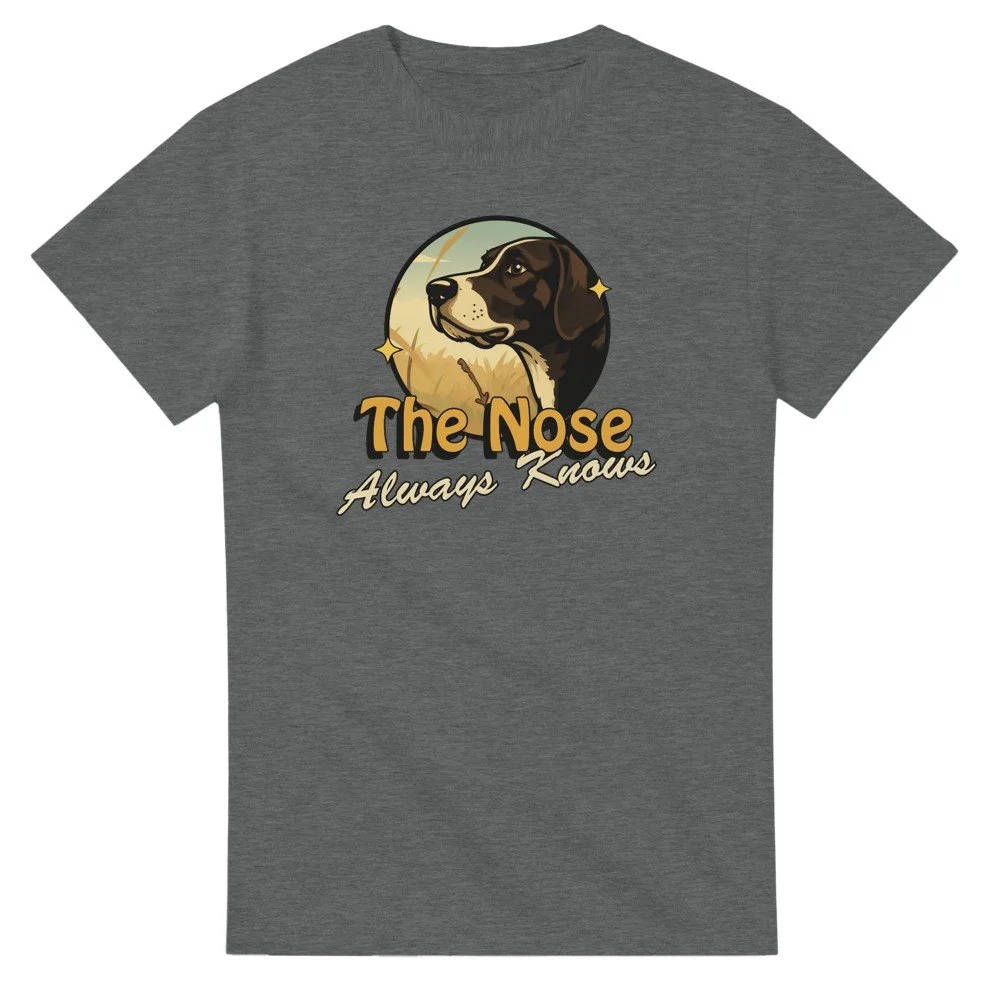
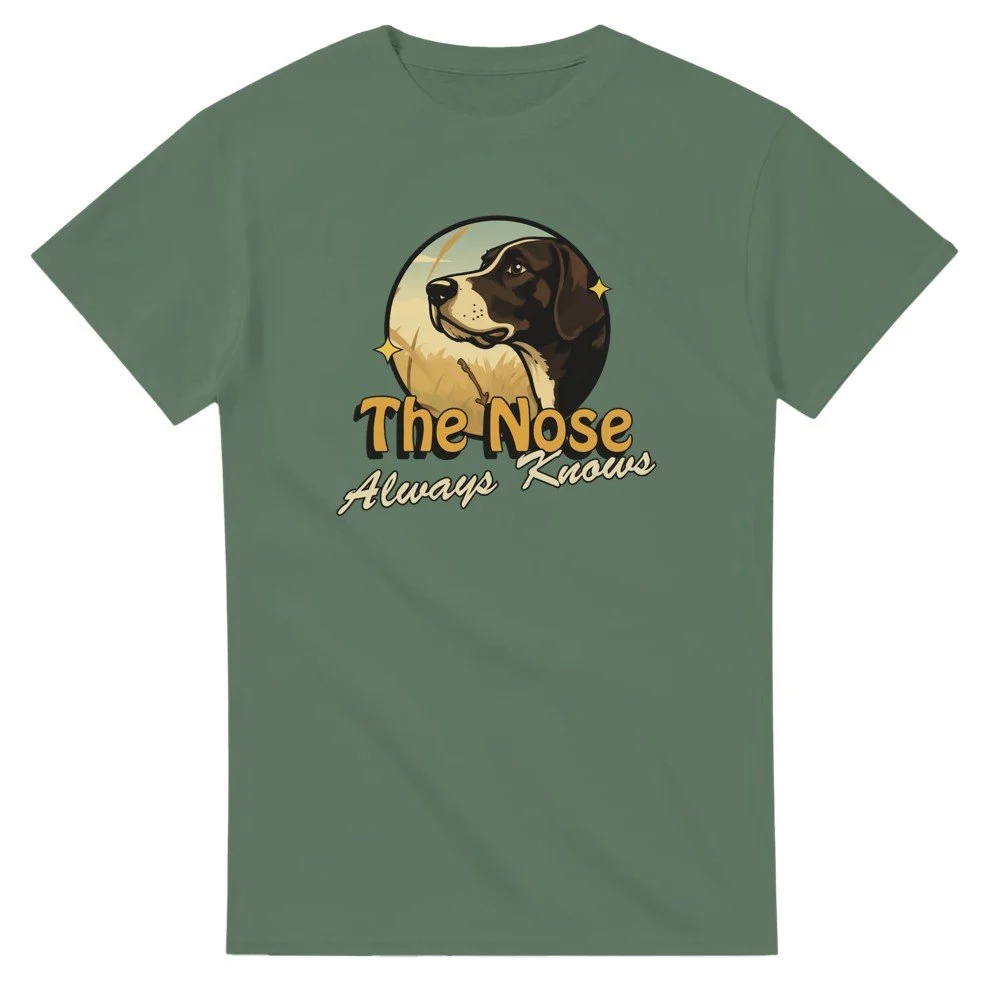
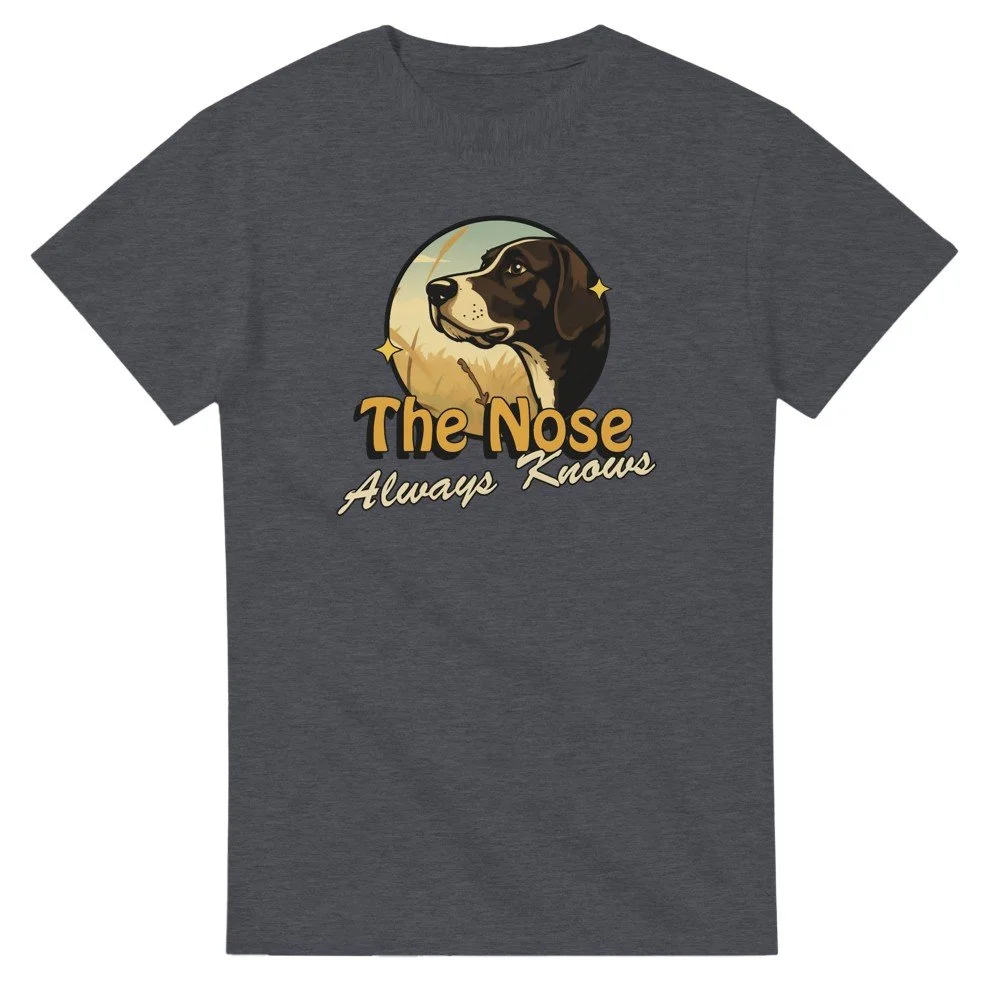
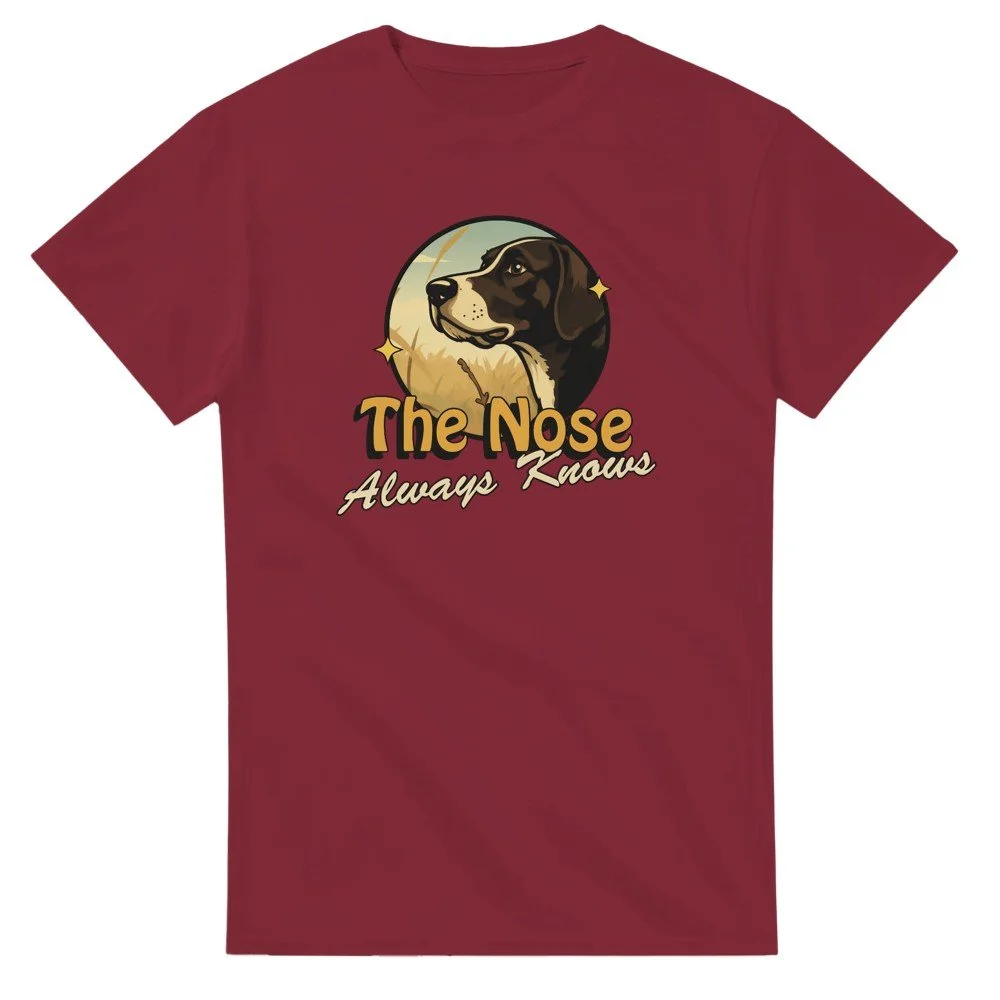
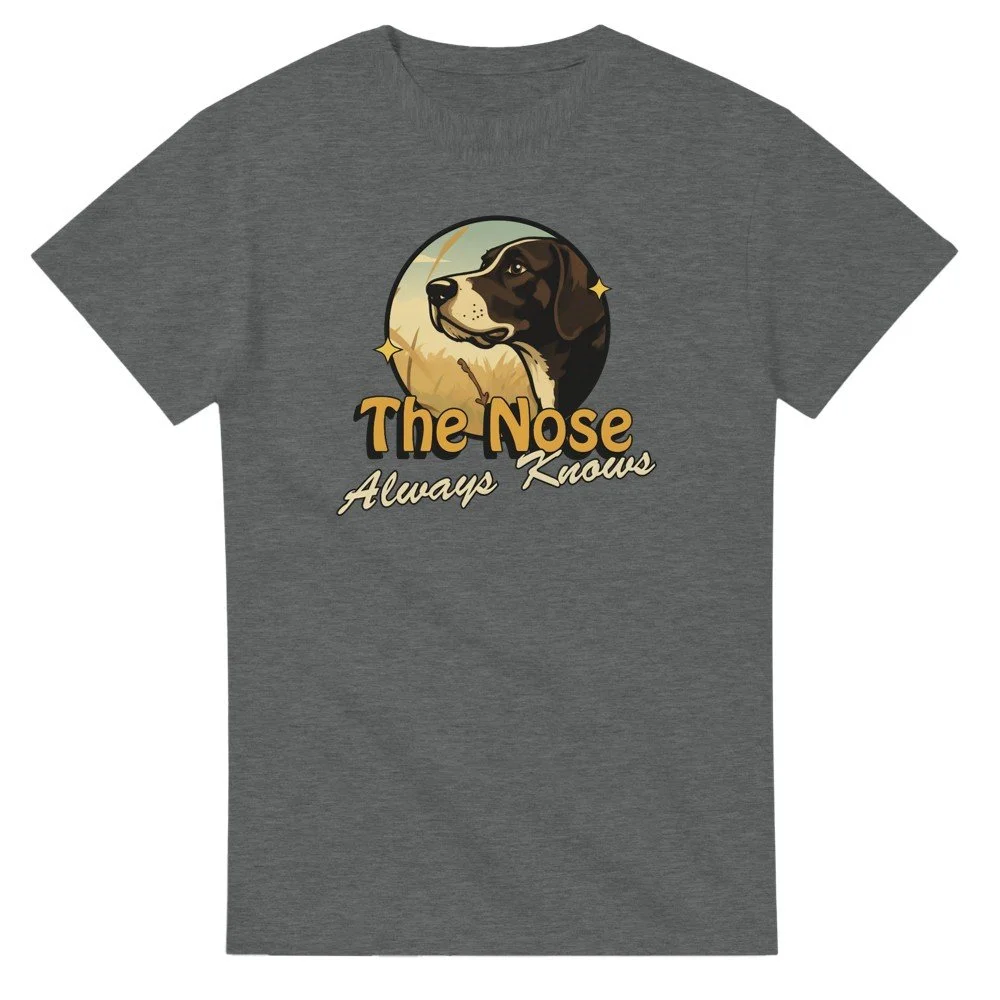
When it comes to talent, the nose always knows. This tee offers a knowing nod to one of a bird dog’s greatest strengths. Comfortable, sturdy, and easy to wear, it’s a reliable everyday staple. Details: • Classic unisex fit • Durable heavyweight feel • Reinforced seams Materials: • Solid Colours-preshrunk jersey knit 100% Cotton • Ash Grey-99% Airlume combed and ring-spun cotton, 1% polyester • Sport Grey-90% cotton, 10% polyester • Heather Colours-50% cotton, 50% polyester
Part of our German Shorthaired Pointer Gifts & Apparel collection.